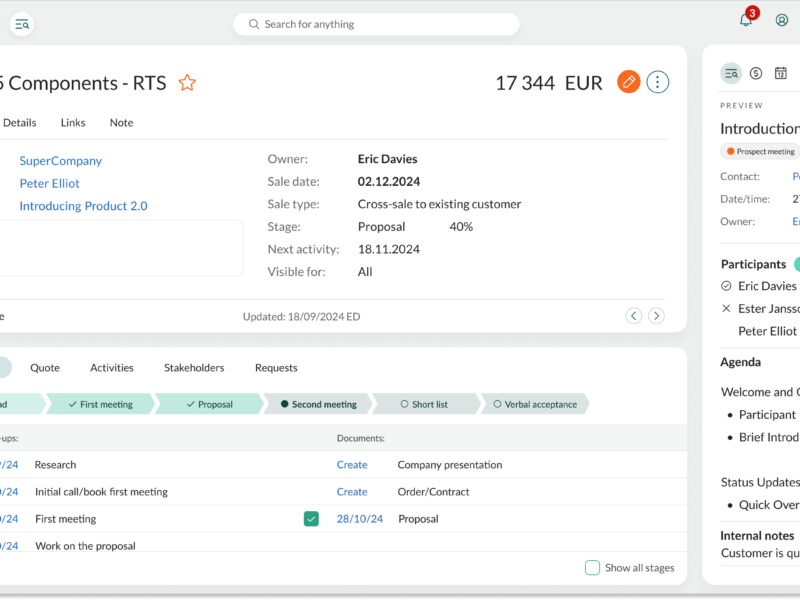
In today’s highly competitive business landscape, customer retention stands as a cornerstone for sustainable growth and profitability. Companies are increasingly leveraging advanced technologies to deepen their customer relationships and optimize their retention strategies.
One of the most promising tools in this endeavor is smart CRM automation. By integrating artificial intelligence and machine learning, businesses can automate routine tasks, gain deeper insights into customer behavior, and deliver personalized experiences that keep customers engaged and loyal.
This article explores how smart CRM automation can transform your retention efforts, providing actionable insights and strategies to enhance customer satisfaction and drive long-term success.
Boost Customer Retention with Intelligent CRM Automation
Customer retention is a critical metric for any business, impacting revenue, brand loyalty, and overall growth. Smart CRM automation can significantly enhance your retention rates by streamlining customer interactions, personalizing experiences, and automating key processes.
This article explores how leveraging intelligent CRM automation can help you build stronger, more lasting relationships with your customers.
Automate Personalized Communications
One of the most effective ways to increase retention is by fostering a strong, personal connection with your customers. Smart CRM automation allows you to send tailored messages based on customer behavior, preferences, and history.
By automating these communications, you can ensure that each customer receives relevant and timely content, such as personalized recommendations, birthday greetings, and follow-up emails after a purchase. This not only enhances the customer experience but also keeps your brand top-of-mind, leading to higher retention rates.
Streamline Customer Service Processes
Efficient customer service is crucial for maintaining customer satisfaction and loyalty. Smart CRM automation can help you streamline your customer service processes by automating routine tasks, such as ticket routing, response generation, and escalation procedures.
This ensures that customer inquiries and issues are addressed promptly and consistently, reducing wait times and improving the overall customer experience. By leveraging automation, you can free up your customer service team to focus on more complex and high-value interactions, further enhancing customer satisfaction and retention.
Analyze Customer Data for Insights
Data is a powerful tool for improving customer retention. Smart CRM automation provides advanced analytics capabilities that allow you to gather and analyze customer data in real-time. By leveraging these insights, you can identify trends, patterns, and potential issues that may impact customer satisfaction.
For example, you can analyze customer feedback to identify areas for improvement or monitor purchase history to predict future buying behavior. This data-driven approach enables you to make informed decisions and implement strategies.
| Benefits of Smart CRM Automation | Examples |
|---|---|
| Personalized Communications | Tailored messages, birthday greetings, follow-up emails |
| Streamlined Customer Service | Automated ticket routing, response generation, escalation procedures |
| Data-Driven Insights | Real-time analysis of customer data, feedback, and purchase history |
How does CRM improve customer retention?
Customer Relationship Management (CRM) systems play a pivotal role in enhancing customer retention by providing comprehensive tools and insights that foster stronger, more meaningful relationships with clients. One of the primary ways CRM improves customer retention is through personalization.
By collecting and analyzing customer data, CRM systems enable businesses to tailor their interactions and offerings to meet individual customer preferences and needs. This level of personalization not only enhances the customer experience but also builds loyalty and trust.
Additionally, CRM systems facilitate consistent and timely communication with customers. Automated email campaigns, targeted marketing messages, and regular follow-ups ensure that customers feel valued and heard. This consistent engagement keeps the brand top-of-mind and reduces the likelihood of customer churn.
Furthermore, CRM systems provide valuable insights into customer behavior and preferences. By tracking customer interactions and purchases, businesses can identify patterns and trends that inform strategic decisions. These insights help in proactively addressing customer needs and concerns, thereby improving overall satisfaction and retention.
Enhancing Personalization with CRM
CRM systems gather a wealth of customer data from various touchpoints, including sales, marketing, and customer service interactions. This data is then analyzed to create detailed customer profiles. By understanding customer preferences, behaviors, and purchase history, businesses can:
- Send personalized product recommendations and offers that align with customer interests and needs.
- Create customized marketing campaigns that resonate with specific customer segments.
- Offer personalized support and assistance, making each customer feel valued and unique.
Facilitating Consistent and Timely Communication
Effective communication is crucial for maintaining strong customer relationships. CRM systems automate and streamline communication processes, ensuring that customers receive relevant and timely information. This includes:
- Automated email campaigns for onboarding, upselling, and re-engagement.
- Targeted marketing messages based on customer behavior and preferences.
- Regular follow-ups and check-ins to address customer needs and concerns.
Providing Valuable Insights and Analytics
CRM systems generate actionable insights through advanced analytics and reporting tools. These insights help businesses make informed decisions that improve customer satisfaction and retention. Key benefits include:
- Identifying trends in customer behavior to proactively address potential issues.
- Measuring the effectiveness of marketing and sales strategies to optimize performance.
- Segmenting customers based on key metrics to tailor offerings and communications more effectively.
What are the 8 C’s of customer retention?
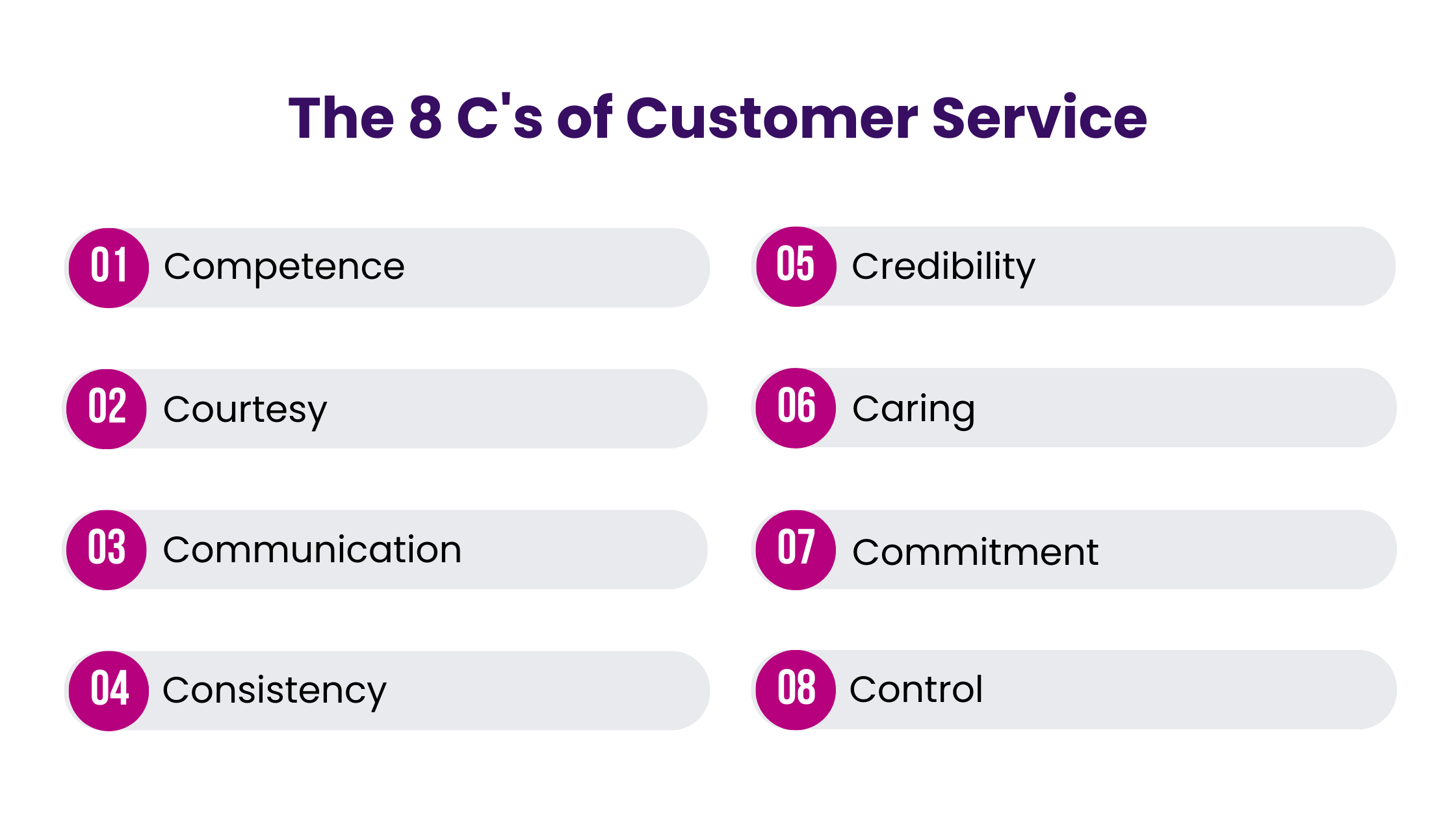
The 8 C’s of Customer Retention are key principles businesses can adopt to ensure that customers remain loyal and engaged over time. These principles are: Communication, Convenience, Consistency, Customization, Community, Care, Compensation, and Continuity.
Communication: The Foundation of Strong Relationships
Effective communication is essential for building and maintaining strong relationships with customers. It involves keeping customers informed about product updates, promotions, and changes in a timely and transparent manner. Here are some key strategies to enhance communication:
- Regularly update customers through email newsletters, social media, and other channels.
- Respond promptly to customer inquiries and feedback.
- Offer multiple communication channels such as phone, email, chat, and social media.
Convenience: Making Life Easier for Customers
Convenience refers to making the customer experience as easy and hassle-free as possible. This can be achieved by simplifying processes and providing accessible solutions. Here are some ways to improve convenience:
- Offer multiple payment options and flexible delivery methods.
- Create user-friendly websites and mobile apps.
- Implement a seamless and intuitive user interface for online and in-store experiences.
Consistency: Building Trust Through Reliability
Consistency is about delivering a reliable and predictable customer experience every time. Consistent service builds trust and loyalty. Here are some practices to ensure consistency:
- Train staff to follow standardized procedures and deliver uniform service.
- Establish clear policies and procedures for customer service and product delivery.
- Regularly monitor and evaluate the customer experience to identify and address inconsistencies.
How can SaaS companies leverage CRM systems to improve customer retention and growth?
SaaS companies can leverage CRM systems to improve customer retention and growth by integrating these systems into their overall business strategy. CRM systems provide a comprehensive view of customer interactions, enabling SaaS companies to enhance customer experiences, streamline operations, and drive targeted marketing efforts. Here’s how:
1. Personalized Customer Interactions
CRM systems allow SaaS companies to gather and analyze detailed customer data, including usage patterns, preferences, and feedback. By leveraging this data, companies can create personalized interactions that address individual customer needs and preferences. This level of personalization can significantly improve customer satisfaction and loyalty.
- Use customer data to tailor product recommendations and feature suggestions.
- Implement automated email campaigns that are relevant to each customer’s stage in the customer journey.
- Provide customized support and training resources to help customers maximize the value of your SaaS product.
2. Proactive Customer Support
CRM systems can help SaaS companies identify potential issues before they become critical. By monitoring customer activity and behavior, support teams can proactively reach out to customers who may be experiencing difficulties or showing signs of churn. This proactive approach can prevent customer dissatisfaction and reduce churn rates.
- Set up alerts for unusual customer activity, such as reduced logins or decreased feature usage.
- Implement a response plan for common issues to ensure quick and effective resolution.
- Use customer feedback to continuously improve product and service offerings.
3. Data-Driven Marketing and Sales
CRM systems provide valuable insights into customer behavior, which can be used to inform marketing and sales strategies. By understanding customer preferences and pain points, SaaS companies can create targeted campaigns that resonate with their audience and drive conversions.
- Segment customers based on behavior, demographics, and usage patterns to create tailored marketing messages.
- Use analytics to track the effectiveness of marketing campaigns and optimize them for better results.
- Leverage CRM data to provide sales teams with real-time insights that help them close deals more effectively.
How CRM affects customer retention and loyalty to brands?
Customer Relationship Management (CRM) systems play a crucial role in enhancing customer retention and fostering brand loyalty. By centralizing customer data, CRM tools enable businesses to gain a comprehensive understanding of their customers’ needs, preferences, and behaviors.
This detailed insight allows for the delivery of personalized and relevant interactions, which are key to building lasting relationships. CRM systems also facilitate consistent communication and seamless customer service, ensuring that issues are resolved promptly and efficiently.
These capabilities not only improve customer satisfaction but also create a positive brand image, encouraging customers to remain loyal and recommend the brand to others.
Personalization in Customer Interactions
Personalization is a powerful tool in CRM that significantly impacts customer retention and loyalty. CRM systems collect and analyze vast amounts of customer data, including purchase history, browsing behavior, and demographic information. This data enables businesses to tailor their marketing messages and offers to individual preferences.
Personalized interactions make customers feel valued and understood, leading to increased satisfaction and a stronger emotional connection to the brand.
- Customized marketing campaigns that resonate with individual customer interests and needs.
- Personalized product recommendations based on past purchases and browsing history.
- Targeted communication through preferred channels, such as email, SMS, or social media.
Enhanced Customer Service
Effective customer service is a cornerstone of customer retention and loyalty. CRM systems provide customer service teams with a unified view of customer interactions, making it easier to address issues quickly and efficiently. This comprehensive view includes all previous interactions, purchase history, and any open cases, allowing agents to provide informed and personalized assistance. Swift and effective resolution of customer problems not only improves satisfaction but also builds trust and loyalty.
- Quick and informed issue resolution, reducing customer frustration and wait times.
- Consistent and personalized communication, ensuring a positive customer service experience.
- Proactive service, such as automatic follow-ups and reminders, to prevent issues from arising.
Data-Driven Decision Making
CRM systems provide businesses with valuable insights through data analytics, enabling data-driven decision-making that enhances customer retention and loyalty. By analyzing customer data, businesses can identify trends, patterns, and areas for improvement. This information can be used to refine marketing strategies, improve product offerings, and optimize customer service processes. Data-driven decisions ensure that businesses remain aligned with customer expectations and preferences, fostering long-term relationships.
- Identification of customer segments and tailored strategies for each segment.
- Analytics-driven improvements in product development and service delivery.
- Continuous monitoring of customer feedback to make real-time adjustments and enhancements.
Frequently Asked Questions
What is Smart CRM Automation and how does it work?
Smart CRM Automation leverages advanced technology like AI and machine learning to automate routine tasks, optimize customer interactions, and enhance data management. By integrating seamlessly with your CRM system, it analyzes customer data in real-time, providing actionable insights and personalized recommendations to improve customer engagement and retention.
How can Smart CRM Automation increase customer retention rates?
Smart CRM Automation enhances customer retention by personalizing interactions, providing timely and relevant communications, and improving overall customer service. It automates follow-ups, sends personalized offers, and tracks customer behavior, allowing businesses to anticipate needs and address issues proactively, thereby fostering stronger customer relationships and loyalty.
What are the key features of Smart CRM Automation that benefit customer retention?
Key features include automated customer segmentation, personalized communication, predictive analytics, and real-time customer insights. These features help businesses to tailor their strategies, deliver consistent and relevant experiences, and respond quickly to customer feedback, ultimately driving higher retention rates and customer satisfaction.
Can Smart CRM Automation integrate with existing CRM systems?
Yes, Smart CRM Automation can integrate with most existing CRM systems, including popular platforms like Salesforce, HubSpot, and Microsoft Dynamics. This integration ensures seamless data flow, allowing businesses to leverage their current infrastructure while enhancing functionality with advanced automation and analytics capabilities.