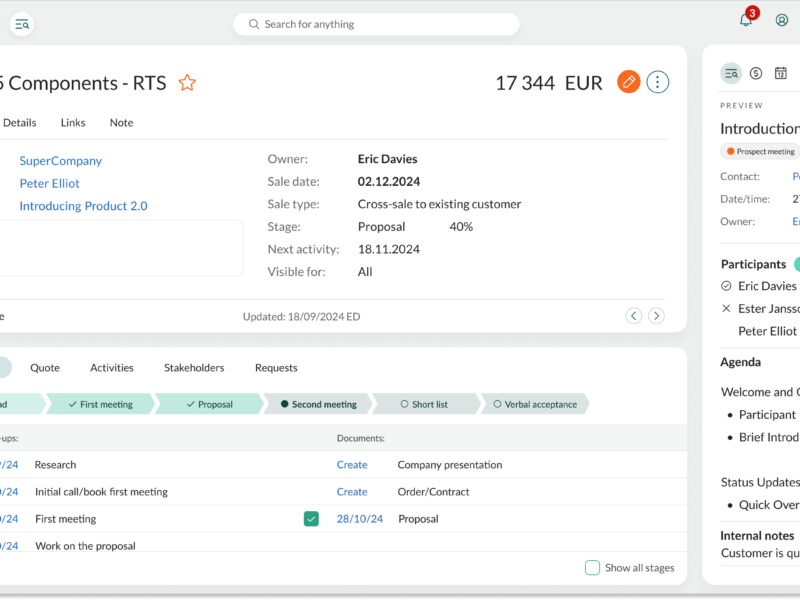
In today’s competitive business landscape, converting leads into loyal customers is more crucial than ever. A data-driven Customer Relationship Management (CRM) system offers a strategic edge by harnessing the power of data to personalize interactions, streamline processes, and enhance customer satisfaction.
By analyzing vast amounts of customer data, businesses can gain valuable insights that inform targeted marketing efforts, optimize sales strategies, and improve overall customer experience.
This article explores how leveraging a data-driven CRM can transform your lead generation and customer conversion processes, driving sustainable growth and long-term success.
Turn Leads into Customers with Data-Driven CRM
Harness the power of a data-driven CRM to convert leads into loyal customers. By leveraging advanced analytics and insights, a data-driven CRM can help you understand customer behavior, preferences, and pain points.
This knowledge enables you to tailor your marketing and sales strategies, ensuring that you deliver the right message at the right time. From lead scoring to personalized communication, a data-driven CRM is an indispensable tool for driving conversions and building long-term customer relationships.
Understanding the Role of Data in Lead Conversion
In a data-driven CRM, data is the cornerstone of successful lead conversion. By collecting and analyzing data from various sources such as social media, email campaigns, and customer interactions, you can gain a comprehensive view of your leads.
This data can help you identify which leads are most likely to convert, allowing you to focus your efforts on high-potential prospects. Additionally, data-driven insights enable you to refine your sales funnel, reduce churn, and optimize customer retention strategies.
Implementing Lead Scoring for Better Targeting
Lead scoring is a powerful feature of data-driven CRMs that helps you prioritize your leads based on their likelihood to convert. By assigning points to leads based on their behavior and demographic information, you can identify the most qualified leads and focus your resources on them.
This process not only improves the efficiency of your sales team but also enhances the customer experience by ensuring that high-potential leads receive the attention they deserve. Lead scoring can be further enhanced with machine learning algorithms that continuously refine the scoring model based on real-time data.
Utilizing Personalized Communication to Engage Leads
Personalization is key to converting leads into customers. A data-driven CRM allows you to create highly personalized communication that resonates with your leads. By using customer data to tailor your messages, offers, and content, you can build trust and establish a stronger connection with your audience.
Personalized communication not only increases the likelihood of conversion but also fosters long-term customer loyalty. Tools like automated email sequences, personalized landing pages, and dynamic content can be used to deliver a seamless and engaging customer experience.
Lead scoring allows you to prioritize high-potential leads.
| Key Feature | Description | Benefit |
|---|---|---|
| Data Collection | Gather data from multiple sources to create a comprehensive lead profile. | Enables better understanding of lead behavior and preferences. |
| Lead Scoring | Assign points to leads based on their behavior and demographic information. | Improves sales efficiency and focuses resources on the most qualified leads. |
| Personalized Communication | Create tailored messages, offers, and content based on customer data. | Increases conversion rates and fosters long-term customer loyalty. |
How do you convert leads into customers?
To convert leads into customers, a systematic and strategic approach is essential. The process involves several key steps and tactics that focus on building relationships, providing value, and guiding potential customers through the sales funnel. Here’s a detailed breakdown:
Understanding Your Target Audience
Understanding your target audience is the foundation of converting leads into customers. This involves conducting market research to gather detailed information about your potential customers, including their demographics, behavior patterns, and pain points. By gaining insights into their needs and preferences, you can tailor your marketing strategies to better resonate with them. For instance:
- Use surveys, focus groups, and customer feedback to gather data.
- Analyze social media analytics and online behavior to understand their interests.
- Create buyer personas to represent different segments of your target audience.
Optimizing Your Sales Funnel
Optimizing your sales funnel involves ensuring that each stage of the customer journey is smooth and effective. This includes attracting potential leads, nurturing them through engagement, and converting them into paying customers. Key strategies include:
- Develop compelling landing pages with clear calls-to-action (CTAs) to capture leads.
- Implement lead nurturing campaigns using email marketing, content marketing, and social media to build trust and engagement.
- Use retargeting ads to re-engage visitors who have shown interest but haven’t converted yet.
Offering Exceptional Customer Service
Exceptional customer service can significantly impact lead conversion rates. Providing a positive and supportive experience throughout the buying process can build trust and encourage leads to make a purchase. Consider the following tactics:
- Train customer service representatives to be knowledgeable and friendly, addressing customer queries promptly and effectively.
- Offer multiple channels for customer support, such as live chat, phone, email, and social media.
- Implement a customer loyalty program to reward repeat customers and encourage referrals.
How can the marketing campaign along with CRM convert leads into sales?
To effectively convert leads into sales, a marketing campaign in conjunction with a Customer Relationship Management (CRM) system can be a powerful tool. Here’s how this integration can enhance the lead-to-sale process:
1. Targeted Marketing Campaigns Based on Lead Data
One of the primary ways a marketing campaign and CRM can work together is by leveraging the detailed data stored in the CRM system. This data includes lead demographics, behavior patterns, and interaction history. By analyzing this information, marketers can create highly targeted campaigns that resonate more effectively with specific segments of their audience.
- Segmentation: Divide leads into segments based on shared characteristics such as industry, job title, or buying history.
- Personalization: Craft personalized content and offers that address the unique needs and preferences of each segment.
- Timing: Use CRM data to identify the optimal times to send out marketing materials, increasing the likelihood of engagement.
2. Automated Follow-Up and Lead Nurturing
Automated workflows within a CRM system can significantly streamline the follow-up process, ensuring that no lead falls through the cracks. This automation helps in nurturing leads through the sales funnel, providing consistent and relevant interactions.
- Email Campaigns: Set up automated email sequences that deliver valuable content at each stage of the buyer’s journey, from initial interest to purchase consideration.
- Lead Scoring: Implement a lead scoring system to prioritize high-potential leads, allowing sales teams to focus their efforts on those most likely to convert.
- Behavior Tracking: Monitor lead interactions with your marketing materials and website, and use this data to refine your follow-up strategies and content offerings.
3. Seamless Integration with Sales Teams
A CRM system serves as a bridge between marketing and sales, ensuring that all relevant information is shared and accessible. This integration helps sales teams to capitalize on the leads generated by marketing campaigns more effectively.
- Shared Insights: Provide sales teams with detailed lead profiles, including their interactions with marketing materials and any previous communications.
- Collaboration Tools: Utilize built-in collaboration tools to facilitate communication between marketing and sales, ensuring a unified approach to lead management.
- Performance Analytics: Track the performance of marketing campaigns and their impact on sales, using these insights to optimize future strategies and improve overall lead conversion rates.
How to use CRM for leads?
Using a Customer Relationship Management (CRM) system for managing leads can significantly enhance your sales process, improve customer interactions, and streamline your workflow. Here’s a detailed guide on how to use a CRM for leads:
Selecting the Right CRM System
Choosing the appropriate CRM system is the first step in effectively managing leads. Consider the following factors:
- Functionality: Ensure the CRM offers essential features such as lead tracking, contact management, and analytics. Additional features like automation tools and integrations can be beneficial depending on your business needs.
- Scalability: Select a CRM that can grow with your business. It should be flexible enough to accommodate an increasing number of leads and users without compromising performance.
- Usability: The CRM should be user-friendly and intuitive. A system that is difficult to navigate can lead to low adoption rates among your sales team.
Setting Up Your CRM for Lead Management
Once you have chosen a CRM, setting it up correctly is crucial for maximizing its effectiveness:
- Data Import: Import your existing leads and customer data into the CRM. This can usually be done via CSV or directly from other systems you are currently using.
- Customization: Tailor the CRM to your specific needs by setting up custom fields, workflows, and dashboards. This will help you track the most relevant information and metrics for your business.
- User Training: Provide comprehensive training for your team to ensure they are comfortable using the CRM. Regular updates and ongoing support can help keep everyone aligned and using the system effectively.
Utilizing CRM Features for Lead Nurturing
Leveraging the various features of your CRM can help you nurture leads effectively:
- Lead Scoring: Implement lead scoring to prioritize leads based on their actions and engagement. This helps your sales team focus on the most promising opportunities.
- Automated Workflows: Set up automated workflows to send personalized emails, follow-up messages, and reminders. This can help keep leads engaged and move them through the sales pipeline more efficiently.
- Analytics and Reporting: Use the built-in analytics and reporting tools to track the performance of your lead generation and nurturing efforts. This data can provide valuable insights to optimize your strategies.
How do you deal with CRM and lead generation?
Dealing with CRM and lead generation involves a strategic and systematic approach to manage customer relationships and nurture potential clients. Effective use of a CRM system can streamline operations, enhance customer satisfaction, and drive sales. Here’s how you can manage CRM and lead generation effectively:
Implementing a Robust CRM System
A robust CRM system is the backbone of any successful lead generation and customer management strategy. It allows you to centralize customer data, track interactions, and automate various processes. Key steps to implement an effective CRM system include:
- Choose the right CRM software that aligns with your business needs and budget. Popular options include Salesforce, HubSpot, and Zoho.
- Train your team on how to use the CRM system effectively. This includes data entry, creating reports, and utilizing automation features.
- Regularly clean and update your CRM data to ensure accuracy and relevance. This helps in maintaining a high level of customer engagement and preventing data decay.
Strategies for Lead Generation
Lead generation is crucial for business growth. Effective strategies can help you attract and convert potential customers into loyal clients. Here are some proven methods:
- Content marketing: Create valuable and relevant content such as blog posts, whitepapers, and webinars to attract leads. Use SEO to optimize your content for search engines.
- Social media marketing: Leverage platforms like LinkedIn, Facebook, and Twitter to engage with your audience and build brand awareness. Run targeted ads to reach specific demographics.
- Email marketing: Build an email list and send regular newsletters, promotional offers, and personalized messages to nurture leads and keep them engaged.
Personalized Customer Engagement
Personalizing your customer interactions can significantly enhance the customer experience and improve lead conversion rates. Here’s how to achieve personalized engagement:
- Segment your customer base based on demographics, behavior, and preferences. This allows you to tailor your communications and offers to specific groups.
- Use customer data to create personalized experiences. For example, address customers by name in emails, recommend products based on their purchase history, and provide tailored content.
- Implement a feedback loop to gather insights from customers and continuously improve your products and services. Use surveys, customer reviews, and social media listening to understand their needs and preferences.
Frequently Asked Questions
How can data-driven CRM help in converting leads into customers?
Data-driven CRM systems use advanced analytics to track and analyze customer interactions and behaviors. This insight helps in personalizing communication, tailoring offers, and addressing needs more effectively. By leveraging data, businesses can identify high-potential leads, optimize sales processes, and enhance customer engagement, ultimately increasing conversion rates and customer satisfaction.
What specific data points are most useful in a CRM for lead conversion?
Key data points include contact information, interaction history, purchase history, website activity, and demographic details. These data points help in understanding customer preferences, predicting behaviors, and segmenting leads. By analyzing this information, businesses can create targeted campaigns, prioritize leads, and tailor interactions to maximize conversions.
How does a CRM system automate the process of lead conversion?
CRM systems automate lead conversion by streamlining tasks such as lead scoring, follow-up emails, and workflow management. Automated lead scoring helps in prioritizing high-value leads, while automated follow-ups ensure timely communication. Workflow automation can also trigger actions based on specific behaviors, such as sending a welcome email or assigning a sales representative, thus improving efficiency and response times.
What are the best practices for integrating data-driven strategies in a CRM system?
Best practices include ensuring data accuracy and cleanliness, integrating multiple data sources, and using advanced analytics for insights. Regularly update and segment data to maintain relevance. Train your team on using CRM tools effectively and set clear goals for lead conversion. Regularly review and adjust strategies based on performance metrics to optimize results and drive continuous improvement.