In today’s competitive business landscape, optimizing sales pipelines is crucial for driving faster conversions and achieving sustainable growth. Companies that streamline their sales processes not only enhance customer experiences but also boost their bottom line.
By identifying and addressing bottlenecks, leveraging data analytics, and implementing effective communication strategies, businesses can significantly reduce the time it takes to move prospects through the sales funnel.
This article delves into actionable strategies to refine your sales pipeline, ensuring that every step is optimized for maximum efficiency and higher conversion rates.
Optimize Sales Pipelines for Faster Conversions
Optimizing your sales pipelines is crucial for accelerating the conversion process and increasing overall revenue. By streamlining your sales processes, identifying key bottlenecks, and implementing data-driven strategies, you can significantly enhance the efficiency of your sales team.
This not only leads to faster conversions but also improves customer satisfaction and loyalty. In this section, we will explore several strategies to help you optimize your sales pipelines and achieve faster conversions.
Identify and Eliminate Bottlenecks in the Sales Process
One of the primary steps in optimizing your sales pipeline is to identify and eliminate bottlenecks. Bottlenecks can occur at any stage of the sales process, from lead generation to closing deals. Conduct a thorough analysis of your current sales process to pinpoint where delays and inefficiencies are occurring.
Utilize tools like CRM software to track and analyze key performance metrics, such as lead response times, conversion rates, and deal stages. Once you have identified the bottlenecks, implement targeted solutions, such as automating repetitive tasks, improving communication channels, or providing additional training to your sales team.
Implement Data-Driven Decision Making
Data-driven decision making is essential for optimizing your sales pipelines. Leverage data from your CRM and other sales tools to gain insights into customer behavior, sales trends, and performance metrics.
Use this data to make informed decisions about your sales strategies, such as identifying the most effective lead sources, optimizing your sales messaging, and refining your sales process.
By relying on data rather than intuition, you can make more accurate predictions and adjustments, leading to faster conversions and higher revenue.
Enhance Sales Team Training and Development
Investing in the training and development of your sales team is crucial for optimizing your sales pipelines. Well-trained sales representatives are better equipped to handle objections, close deals, and provide exceptional customer service.
Offer regular training sessions on product knowledge, sales techniques, and customer communication. Additionally, provide ongoing coaching and feedback to help your team members continuously improve their skills. A well-prepared sales team can navigate the sales process more effectively, leading to faster and more successful conversions.
| Key Strategies | Description |
|---|---|
| Identify and Eliminate Bottlenecks | Conduct a thorough analysis of your sales process to pinpoint delays and inefficiencies, and implement targeted solutions. |
| Implement Data-Driven Decision Making | Use data from CRM and other tools to gain insights and make informed decisions about sales strategies. |
| Enhance Sales Team Training and Development | Invest in regular training sessions and ongoing coaching to improve the skills and performance of your sales team. |
How do you optimise a sales funnel for better conversions?
Optimizing a sales funnel for better conversions involves a comprehensive approach that addresses various stages from initial customer engagement to the final purchase. Here are some key strategies to enhance conversion rates:
To achieve better conversions in a sales funnel, several factors need to be considered and refined continuously. These include user experience, persuasive content, and data-driven insights. By focusing on these areas, businesses can create a more effective and efficient sales process.
1. Improve User Experience (UX)
Enhancing the user experience is crucial for keeping potential customers engaged and moving them through the funnel. A smooth, intuitive, and user-friendly interface can significantly reduce friction and improve conversion rates. Here are some specific steps:
- Ensure that your website is mobile-responsive, as a growing number of users access the internet via mobile devices.
- Minimize the number of steps in the checkout process to reduce cart abandonment rates. Simplify forms and remove unnecessary fields.
- Optimize page load times. Slow-loading pages can lead to higher bounce rates and lower conversions. Use tools like Google PageSpeed Insights to identify and fix performance issues.
2. Utilize Persuasive Content and CTA Optimization
Effective content and well-crafted calls-to-action (CTAs) are essential for guiding users through the sales funnel. Content should be informative, engaging, and aligned with the customer’s needs at each stage of the funnel. Here are some strategies:
- Create compelling and relevant content that addresses the pain points and interests of your target audience. Use blog posts, videos, and infographics to provide value and build trust.
- Optimize CTAs to be clear, compelling, and strategically placed. Use action-oriented language and contrasting colors to make CTAs stand out. Test different variations to see which performs best.
- Incorporate social proof such as testimonials, customer reviews, and case studies to build credibility and trust with potential customers.
3. Leverage Data and Analytics
Data-driven insights are invaluable for identifying areas of improvement and making informed decisions. Regularly analyzing your sales funnel data can help you understand customer behavior and optimize the funnel effectively. Here are some key actions:
- Use tools like Google Analytics to track metrics such as bounce rate, time on site, and conversion rates. Identify pages with high drop-off rates and address issues that may be causing these drops.
- Implement A/B testing to experiment with different elements of your sales funnel, such as headlines, images, and CTAs. Analyze the results to determine the most effective variations.
- Segment your audience to deliver personalized content and offers. Use customer data to tailor your messaging and improve the relevance of your communications.
What are the 5 stages of a sales pipeline?
The 5 stages of a sales pipeline are crucial for managing and optimizing the sales process. Each stage represents a step in the journey from the initial contact with a potential customer to the final sale. Here are the five stages:
1. Lead Generation: This is the initial stage where potential customers, or leads, are identified and captured. Common methods include marketing campaigns, content marketing, social media, and events. The goal is to attract and engage with individuals who have shown interest in the product or service.
2. Lead Qualification: In this stage, the sales team evaluates the leads to determine their level of interest and potential for becoming a customer. This involves assessing factors such as the lead’s needs, budget, decision-making authority, and timeline. Qualified leads are those who are most likely to convert into paying customers.
3. Approach and Presentation: Once leads are qualified, the sales team makes initial contact and presents the product or service. This stage involves demonstrating how the product can solve the customer’s problems or meet their needs. Effective communication and building rapport are key components of this stage.
4. Handling Objections: During this stage, the sales team addresses any concerns or objections the potential customer may have. Common objections include price, product features, and timing. The goal is to provide clear, concise, and compelling responses that alleviate these concerns and keep the sales process moving forward.
5. Closing the Sale: The final stage is where the sales team aims to convert the lead into a paying customer. This involves final negotiations and ensuring all the customer’s requirements are met. Once the deal is closed, the focus shifts to delivering the product or service and maintaining a positive customer relationship.
Importance of a Well-Structured Sales Pipeline
A well-structured sales pipeline is essential for several reasons. It provides a clear and organized framework for managing the sales process, ensuring that no leads are overlooked or forgotten.
Additionally, it helps in identifying bottlenecks and areas for improvement, allowing the sales team to optimize their strategies and increase conversion rates. A structured pipeline also facilitates better forecasting and helps in setting realistic sales targets.
- Clear Framework: A structured pipeline ensures that the sales process is organized and systematic.
- Identify Bottlenecks: It helps in pinpointing where leads are getting stuck and making necessary adjustments.
- Optimize Strategies: By tracking performance at each stage, the sales team can refine their approaches to improve conversion rates.
Tools and Technologies for Managing a Sales Pipeline
There are several tools and technologies available to help manage a sales pipeline effectively. Customer Relationship Management (CRM) systems, for example, are widely used to track and manage leads throughout the sales process.
Other tools include sales forecasting software, marketing automation platforms, and analytics tools. These technologies not only streamline the sales process but also provide valuable insights that can inform decision-making.
- CRM Systems: These tools help in tracking leads, managing customer interactions, and automating certain sales tasks.
- Sales Forecasting Software: These tools provide accurate predictions and help in setting realistic sales targets.
- Marketing Automation Platforms: They help in automating marketing tasks and integrating with CRM systems for a seamless experience.
Common Challenges in Sales Pipeline Management
Managing a sales pipeline comes with its share of challenges. One common issue is lead leakage, where potential customers are lost due to poor follow-up or mismanagement. Another challenge is the lack of real-time data, which can lead to outdated information and missed opportunities.
Additionally, aligning sales and marketing teams can be difficult, as their goals and metrics may differ. Addressing these challenges is crucial for maintaining a healthy and effective sales pipeline.
- Lead Leakage: Ensuring timely and effective follow-up is essential to prevent leads from dropping out of the pipeline.
- Lack of Real-Time Data: Access to up-to-date information is crucial for making informed decisions and optimizing the sales process.
- Alignment of Sales and Marketing: Effective communication and collaboration between these teams are necessary to ensure a consistent and effective approach to lead management.
What is pipeline conversion in sales?
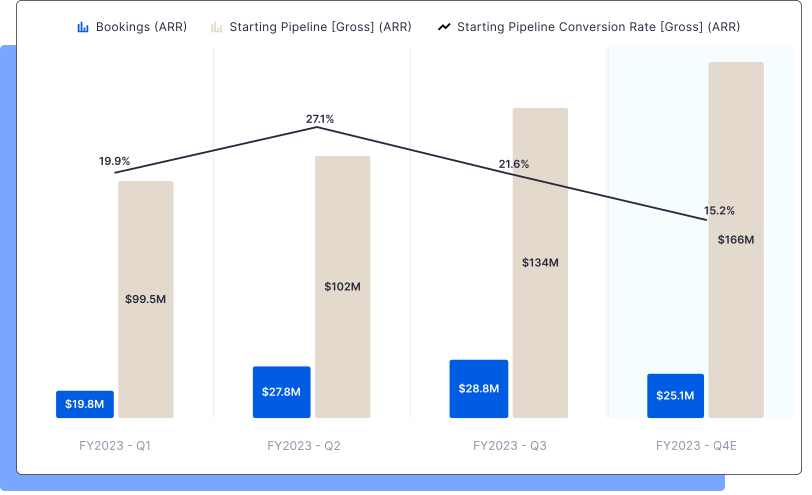
Pipeline conversion in sales refers to the process of moving potential customers through various stages of the sales funnel, from initial contact to a closed deal.
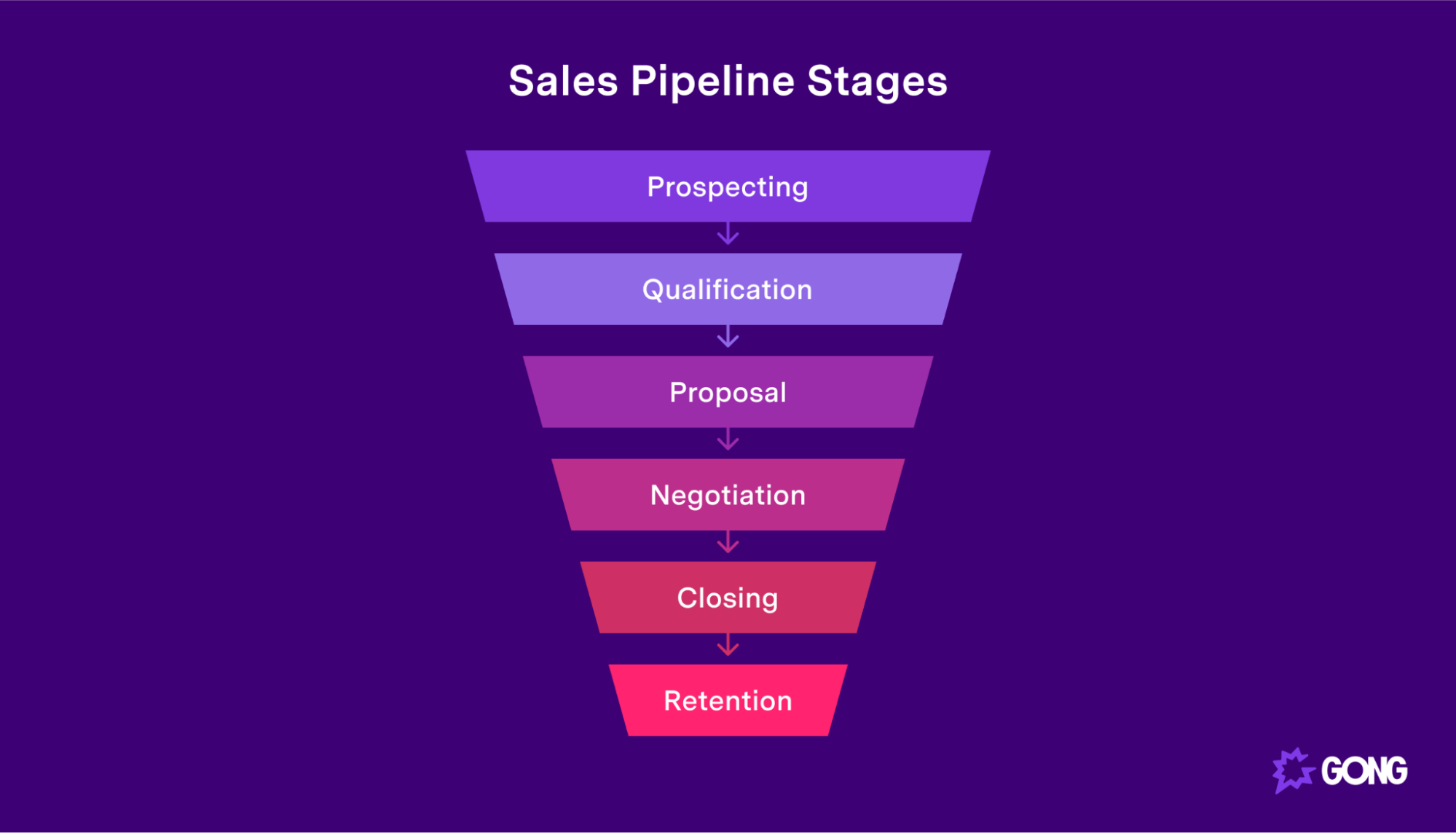
The sales pipeline is a visual representation of the sales process, showing the progression of deals from the moment they enter the pipeline to the point where they either convert into customers or are lost. Pipeline conversion rate is a critical metric that measures the percentage of prospects that successfully move through each stage of the sales process and ultimately become customers.
A high conversion rate indicates an efficient and effective sales process, while a low rate may signal areas that need improvement.
Stages of the Sales Pipeline
The sales pipeline typically consists of several stages, each with its own specific goals and activities. Understanding these stages is crucial for improving pipeline conversion rates.
1. Prospecting: Identifying and qualifying potential customers who may be interested in your product or service.
2. Initial Contact: Making the first approach to the prospect, often through a phone call, email, or meeting.
3. Needs Assessment: Understanding the prospect’s specific needs and how your solution can address them.
4. Proposal: Presenting a detailed proposal or solution that meets the prospect’s requirements.
5. Negotiation: Engaging in discussions to finalize terms and conditions.
6. Closing: Securing the deal and converting the prospect into a customer.
Factors Affecting Pipeline Conversion Rates
Several factors can influence the pipeline conversion rate, and understanding them can help sales teams optimize their strategies.
1. Quality of Leads: High-quality leads that are well-qualified and have a genuine interest in your product are more likely to convert.
2. Sales Team Skills: The expertise and effectiveness of the sales team in each stage of the pipeline play a significant role in conversion rates.
3. Customer Experience: Providing a positive and personalized experience throughout the sales process can enhance the likelihood of conversion.
4. Market Conditions: Economic conditions and market trends can impact the buying behavior of prospects and affect conversion rates.
Strategies to Improve Pipeline Conversion Rates
To enhance pipeline conversion rates, sales teams can implement various strategies that focus on optimization and efficiency.
1. Lead Scoring: Implementing a lead scoring system to prioritize high-potential leads and focus sales efforts more effectively.
2. Sales Training: Providing ongoing training and development for the sales team to improve their skills and techniques.
3. Technology Integration: Utilizing sales automation tools and CRM systems to streamline the sales process and provide better insights.
4. Data Analysis: Regularly analyzing sales data to identify trends, bottlenecks, and areas for improvement in the pipeline.
Frequently Asked Questions
What is the importance of optimizing sales pipelines for faster conversions?
Optimizing sales pipelines is crucial for accelerating the conversion process, enhancing efficiency, and maximizing revenue. By streamlining stages and identifying bottlenecks, sales teams can focus on high-priority leads, reduce cycle times, and improve the overall customer experience, leading to higher close rates and increased profitability.
How can automation tools help in optimizing sales pipelines?
Automation tools can significantly enhance sales pipeline optimization by automating repetitive tasks, such as lead scoring, follow-up emails, and data entry. This allows sales teams to focus on building relationships and closing deals, while ensuring that all leads are handled promptly and efficiently, thus speeding up the conversion process.
What are key metrics to track for optimizing sales pipelines?
Key metrics for optimizing sales pipelines include lead response time, conversion rates, average deal size, sales cycle length, and pipeline velocity. Monitoring these metrics helps identify areas for improvement, such as reducing inefficiencies and improving the quality of leads, which ultimately leads to faster conversions and better sales performance.
How can sales training contribute to faster conversions in the sales pipeline?
Sales training plays a vital role in optimizing sales pipelines by equipping sales teams with the skills and knowledge needed to effectively manage leads and close deals. Training on product knowledge, negotiation techniques, and customer relationship management can significantly improve performance, reduce cycle times, and enhance the overall effectiveness of the sales process.