In today’s competitive business landscape, enhancing customer relationships is not just an option—it’s a necessity. Customer Relationship Management (CRM) systems have emerged as powerful tools to not only streamline operations but also to boost sales and deepen customer engagement.
By leveraging data-driven insights, personalized interactions, and efficient customer service, businesses can build stronger, more meaningful connections with their clientele.
This article explores how integrating a CRM system can transform your sales strategies, improve customer satisfaction, and ultimately drive sustainable growth. Discover the key features and best practices to maximize the impact of CRM in your business.
Boost Sales and Customer Engagement with CRM
A CRM (Customer Relationship Management) system is an essential tool for businesses looking to enhance their sales and customer engagement. By centralizing customer data, CRM solutions provide a comprehensive view of customer interactions, preferences, and behaviors.
This enables businesses to tailor their marketing efforts, sales strategies, and customer service to meet the unique needs of their clients, ultimately leading to increased sales and stronger customer relationships.
The Importance of Customer Data in CRM
Customer data is the backbone of any CRM system. It encompasses a wide range of information, including contact details, purchase history, communication records, and more. By collecting and analyzing this data, businesses can gain valuable insights into customer behavior and preferences.
This information can be used to segment customers, personalize marketing messages, and identify upselling and cross-selling opportunities, thereby enhancing the overall customer experience and driving sales growth.
Leveraging CRM for Personalized Marketing
One of the key benefits of a CRM system is its ability to support personalized marketing. By segmenting customers based on various criteria, such as demographics, purchase history, and engagement levels, businesses can create targeted marketing campaigns that resonate with specific customer groups.
Personalized emails, tailored product recommendations, and customized offers can significantly improve customer engagement and conversion rates, leading to higher sales and stronger customer loyalty.
Enhancing Customer Service with CRM
CRM systems also play a crucial role in improving customer service. With a centralized database of customer interactions and history, customer service representatives can quickly access all relevant information to provide prompt and personalized assistance.
This not only resolves customer issues more efficiently but also builds trust and fosters a positive customer experience. Additionally, CRM systems can track service metrics, such as response times and resolution rates, allowing businesses to continuously improve their service quality and customer satisfaction.
| Benefit | Description |
|---|---|
| Centralized Customer Data | Comprehensive view of customer interactions and preferences. |
| Personalized Marketing | Targeted campaigns that resonate with specific customer groups. |
| Improved Customer Service | Efficient and personalized assistance to build trust and satisfaction. |
How does CRM contribute to customer engagement?

CRM (Customer Relationship Management) contributes significantly to customer engagement by providing a comprehensive framework for managing interactions, data, and insights across various touchpoints.
By centralizing customer information, CRM systems enable businesses to deliver personalized experiences, track customer behavior, and proactively address their needs. This leads to stronger customer relationships, increased loyalty, and higher satisfaction levels. Here are three key aspects of how CRM contributes to customer engagement:
Personalized Customer Interactions
CRM systems allow businesses to collect and analyze vast amounts of customer data, including purchase history, preferences, and past interactions. This data is used to create detailed customer profiles, enabling companies to tailor their communications and offers to individual needs and preferences. Personalization can be achieved through:
- Customized email campaigns that address customers by name and recommend products based on their browsing history.
- Personalized content on websites and social media platforms, which can be dynamically adjusted based on user behavior and interests.
- Targeted promotions and loyalty programs that reward customers for their loyalty and engagement, further fostering a sense of connection with the brand.
Efficient Customer Service
CRM systems streamline customer service operations by providing a centralized repository of customer interactions and support tickets. This ensures that customer service representatives have immediate access to relevant information, allowing them to resolve issues more quickly and effectively. Efficient customer service can be enhanced through:
- Automated ticketing systems that prioritize and route customer inquiries to the most appropriate agent, reducing wait times and improving response times.
- Self-service portals where customers can access FAQs, tutorials, and support documentation, empowering them to resolve issues independently.
- Real-time chat and messaging tools that allow for immediate communication with customers, providing instant assistance and support.
Proactive Customer Communication
CRM systems enable businesses to engage proactively with customers by identifying key moments in the customer journey and triggering automated responses. Proactive communication can enhance customer engagement by:
- Sending timely reminders for appointments, renewals, and important dates, ensuring that customers stay informed and engaged.
- Providing personalized product recommendations and content based on customer behavior and preferences, encouraging further interaction with the brand.
- Offering proactive support and solutions to potential issues before they become significant problems, demonstrating a commitment to customer satisfaction and care.
How to increase sales with CRM?
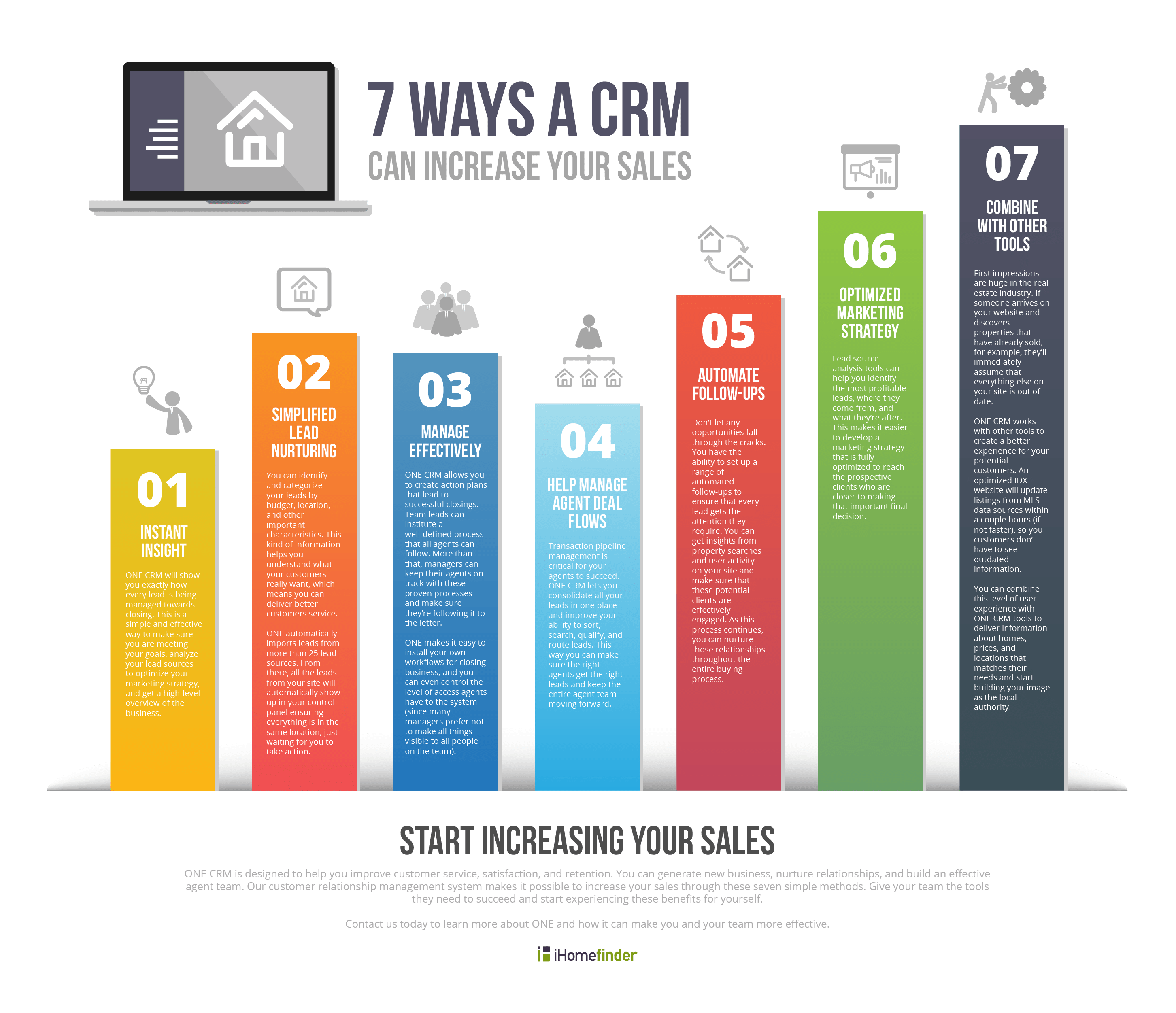
To increase sales with CRM, you need to leverage the data and tools at your disposal to create more effective sales strategies, enhance customer interactions, and streamline your processes. Here are some detailed steps to achieve this:
1. Centralize Customer Data: A CRM system allows you to centralize customer data, ensuring that all relevant information is readily accessible to your sales team. This includes contact details, purchase history, communication records, and more. By having a comprehensive view of each customer, sales representatives can tailor their interactions to meet individual needs and preferences, leading to higher conversion rates.
2. Automate Sales Processes: Automation can significantly boost sales efficiency by reducing manual tasks and ensuring consistency. Automate routine tasks such as follow-up emails, appointment scheduling, and lead scoring. This allows your sales team to focus on high-value activities that drive revenue.
3. Enhance Customer Segmentation: Use CRM to segment your customers based on various criteria such as demographics, buying behavior, and preferences. This segmentation enables targeted marketing campaigns and personalized sales approaches, which can resonate more effectively with different customer groups and lead to increased sales.
4. Analyze Sales Data: CRM systems provide powerful analytics tools that can help you gain insights into your sales performance. Regularly review key metrics such as sales volume, conversion rates, and customer acquisition costs to identify areas for improvement. Use these insights to refine your sales strategies and tactics.
5. Improve Customer Service: A good CRM system can enhance customer service by providing a history of interactions and addressing customer issues more efficiently. Satisfied customers are more likely to make repeat purchases and recommend your products or services to others, which can drive additional sales.
6. Foster Collaboration: CRM can facilitate better collaboration among sales, marketing, and customer service teams. By sharing data and insights, these teams can work together more effectively to create a seamless customer experience, leading to increased sales.
1. Utilize CRM for Personalized Marketing Campaigns
Personalized marketing campaigns are crucial for increasing sales. With CRM, you can:
- Collect and analyze customer data to understand preferences and behaviors.
- Create and send targeted email campaigns based on customer segments.
- Track campaign performance and make data-driven adjustments to improve results.
2. Implement Advanced Lead Management
CRM systems offer advanced lead management features that can significantly enhance your sales process. Consider:
- Automating lead scoring to prioritize leads based on their likelihood to convert.
- Using lead nurturing workflows to keep prospects engaged with relevant content.
- Integrating CRM with marketing tools to streamline lead generation and conversion processes.
3. Enhance Customer Engagement with CRM
Customer engagement is key to building long-term relationships and increasing sales. CRM can help you:
- Track and analyze customer interactions to identify opportunities for upselling and cross-selling.
- Implement loyalty programs to reward repeat customers and encourage continued engagement.
- Use CRM data to personalize customer interactions and provide exceptional service.
What are the 4 C’s of CRM?
The 4 C’s of CRM, which stands for Customer Relationship Management, are essential components that help businesses enhance their interactions with customers and build lasting relationships.
These components are Customer, Community, Collaboration, and Communication. Each of these elements plays a crucial role in the overall CRM strategy.
Customer: The Heart of CRM
The customer is the central focus of CRM. Understanding customer needs, preferences, and behaviors is critical for tailoring products and services that meet their expectations. By collecting and analyzing customer data, businesses can personalize interactions, improve customer satisfaction, and increase retention rates.
– Collecting customer data through various touchpoints such as sales, marketing, and customer service.
– Analyzing the data to identify customer patterns and preferences.
– Using insights to create personalized marketing campaigns and customer experiences.
Community: Building a Loyal Customer Base
Community refers to the collective group of customers who share a common interest in the brand. Building a strong community can foster loyalty, word-of-mouth referrals, and a sense of belonging among customers. Engaging with the community helps businesses gather valuable feedback and create a more vibrant brand presence.
– Creating online forums and social media groups where customers can interact with each other and the brand.
– Hosting events, both virtual and in-person, to bring customers together and strengthen relationships.
– Implementing customer loyalty programs that reward repeat customers and encourage ongoing engagement.
Collaboration: Working Together for Better Outcomes
Collaboration involves the internal integration of different departments within a business to ensure seamless customer experiences. When sales, marketing, customer service, and other teams work together, it leads to more efficient processes and better customer service. Collaboration tools and platforms can facilitate this integration and improve overall performance.
– Implementing CRM software that allows different departments to share customer data and insights.
– Establishing cross-departmental communication channels to ensure consistent messaging and service.
– Training employees on the importance of collaboration and providing them with the tools and resources they need to work effectively together.
What are the 4 P’s of customer engagement?
)
The 4 P’s of customer engagement are a strategic framework used to enhance the relationship between a business and its customers. These elements include Product, Price, Promotion, and Place, each playing a crucial role in the overall customer experience.
Understanding and effectively implementing the 4 P’s can significantly improve customer satisfaction and loyalty.
1. Product in Customer Engagement
The product is the foundation of customer engagement. It refers to the goods or services a business offers to its customers. A high-quality product that meets or exceeds customer expectations is essential for building trust and fostering long-term relationships. To ensure customer satisfaction, businesses should:
- Conduct market research to understand customer needs and preferences.
- Continuously improve the product based on customer feedback and emerging trends.
- Ensure the product is reliable, durable, and performs as advertised.
2. Price in Customer Engagement
Price is a critical factor in customer engagement, as it can significantly influence purchasing decisions. Pricing strategies should be fair, competitive, and transparent to maintain customer trust and satisfaction. To effectively use price as a tool for engagement, businesses should:
- Set prices that reflect the value of the product and align with market conditions.
- Offer flexible pricing options, such as discounts, bundles, and loyalty programs.
- Regularly review and adjust pricing to stay competitive and meet changing market demands.
3. Promotion in Customer Engagement
Promotion involves the communication strategies a business uses to inform and attract customers. Effective promotions can enhance brand awareness, drive sales, and build customer loyalty. To maximize the impact of promotional activities, businesses should:
- Create compelling and relevant marketing messages that resonate with the target audience.
- Utilize a mix of channels, including social media, email, and traditional media, to reach customers effectively.
- Measure and analyze the performance of promotional campaigns to refine future strategies.
Frequently Asked Questions
How can CRM help boost sales?
CRM systems provide valuable insights into customer behavior and preferences, enabling targeted marketing and personalized sales strategies. By automating tasks and streamlining communication, CRM improves efficiency, allowing sales teams to focus on building relationships and closing deals more effectively. This leads to higher conversion rates and increased revenue.
What features in CRM enhance customer engagement?
CRM features such as customer profiles, interaction history, and automated follow-ups help in understanding and addressing customer needs. Engaging tools like live chat, customer support portals, and personalized communications foster a stronger connection. These features ensure that customers feel valued and supported, leading to higher engagement and loyalty.
Can CRM improve customer retention rates?
Yes, CRM systems help retain customers by providing consistent, personalized experiences. By tracking customer interactions and preferences, CRM enables businesses to anticipate needs and resolve issues proactively. This level of service builds trust and loyalty, reducing churn and increasing long-term customer value.
How does CRM integrate with other business tools?
CRM platforms can integrate seamlessly with a variety of business tools, including marketing automation, e-commerce platforms, and customer support systems. These integrations ensure that data is synchronized across all channels, providing a unified customer view. This integration enables more efficient workflows and enhances the overall customer experience.