In today’s fast-paced business environment, effective team collaboration is not just a preference; it’s a necessity. A powerful Customer Relationship Management (CRM) system can significantly enhance how teams work together, ensuring that everyone is aligned and informed.
By centralizing customer data, streamlining communication, and automating repetitive tasks, a robust CRM enables teams to focus more on building relationships and less on administrative burdens.
This article explores how implementing a high-quality CRM can transform team dynamics, boost productivity, and ultimately drive better business outcomes.
Enhance Team Collaboration with a Powerful CRM
A powerful CRM system can significantly enhance team collaboration by providing a centralized platform where all team members can access, share, and manage customer data seamlessly. This not only improves communication but also ensures that everyone is on the same page, leading to more efficient and effective teamwork.
A CRM can facilitate better project management, streamline workflows, and foster a collaborative environment that drives business growth.
Centralized Data for Improved Communication
A CRM system centralizes all customer data in one place, making it easily accessible to all team members. This reduces the need for constant email exchanges and meetings to share information, thus improving communication and ensuring that everyone has the most up-to-date information at their fingertips.
Centralized data also helps in maintaining consistency and accuracy, which are crucial for effective teamwork.
Streamlined Workflows for Enhanced Efficiency
One of the key benefits of a CRM system is its ability to streamline workflows. By automating routine tasks and providing tools for project management, a CRM can help teams focus on more strategic activities. This not only increases efficiency but also reduces the likelihood of errors and delays.
Streamlined workflows ensure that tasks are completed on time, leading to higher productivity and better team collaboration.
Real-Time Insights for Informed Decision-Making
A CRM system provides real-time insights and analytics that can be invaluable for informed decision-making. Team members can use this data to make better choices, adjust strategies, and respond quickly to changes in the market.
Real-time insights also help in identifying bottlenecks and areas for improvement, ensuring that the team is always working at its best.
| Benefit | Description |
|---|---|
| Centralized Data | Improves communication and ensures everyone has the most up-to-date information. |
| Streamlined Workflows | Increases efficiency and reduces errors by automating routine tasks. |
| Real-Time Insights | Enables informed decision-making and quick responses to market changes. |
What is CRM collaboration?
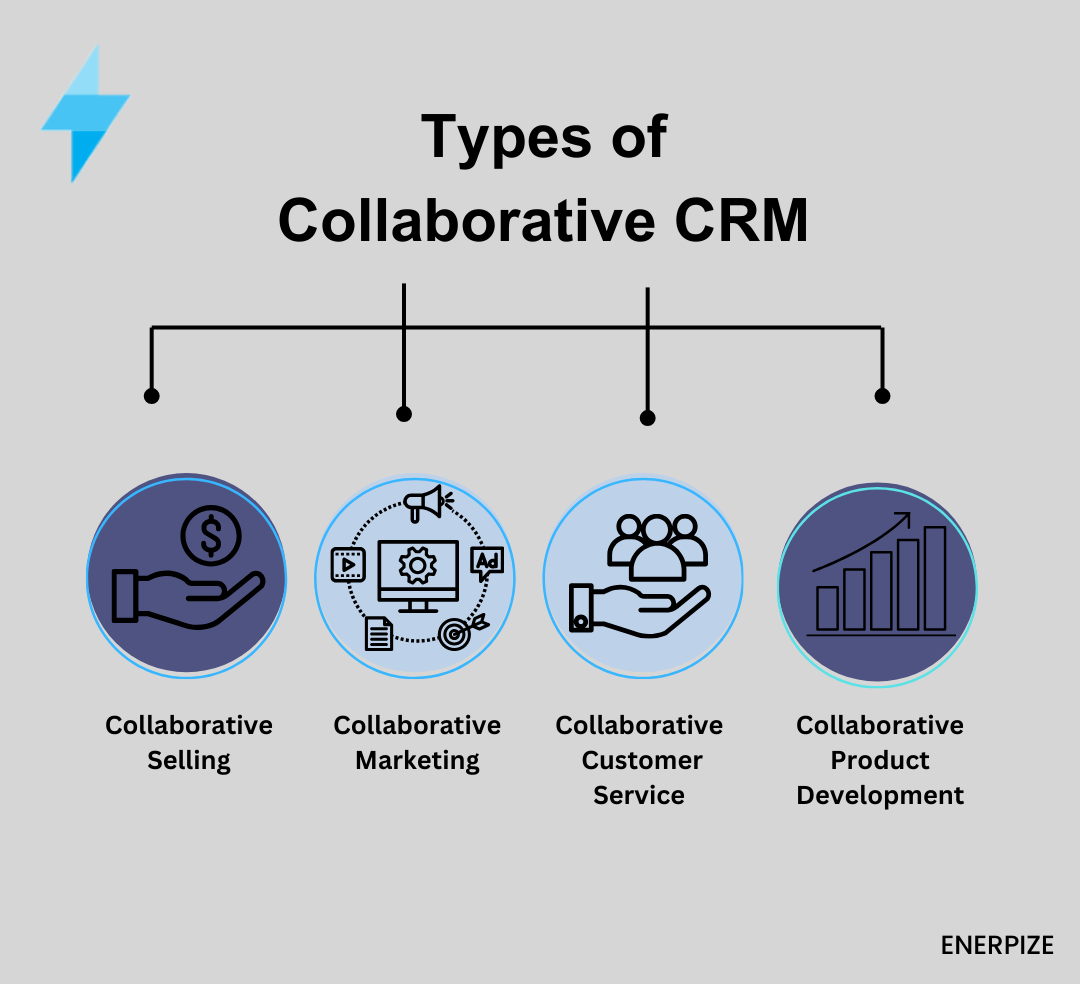
CRM collaboration, or Customer Relationship Management collaboration, refers to the practice of integrating multiple departments and teams within an organization to ensure a unified approach to managing customer interactions and relationships.
This involves breaking down silos and fostering communication and data sharing between departments such as sales, marketing, and customer service. By aligning these teams, organizations can provide a more seamless and personalized customer experience, leading to higher customer satisfaction and loyalty.
Benefits of CRM Collaboration
CRM collaboration offers several advantages that can significantly impact an organization’s performance. These benefits include:
- Improved Customer Experience: By ensuring that all customer interactions are consistent and personalized, CRM collaboration helps in building stronger relationships with customers.
- Enhanced Employee Productivity: When departments work together and share information, employees can focus on more strategic tasks rather than repetitive data entry and communication.
- Increased Sales Efficiency: Sales teams can leverage insights from marketing and customer service to tailor their approaches and close deals more effectively.
Tools and Technologies for CRM Collaboration
To facilitate CRM collaboration, organizations often employ various tools and technologies. These tools are designed to streamline communication and data sharing across departments. Some key tools include:
- CRM Software: Comprehensive CRM platforms like Salesforce, HubSpot, and Microsoft Dynamics provide integrated solutions for managing customer interactions.
- Collaboration Platforms: Tools like Slack, Microsoft Teams, and Google Workspace enable real-time communication and file sharing among team members.
- Data Analytics Tools: Platforms such as Tableau and Google Analytics help in extracting meaningful insights from customer data to inform collaborative strategies.
Challenges in Implementing CRM Collaboration
Despite its benefits, implementing CRM collaboration can present several challenges that organizations must address. These challenges include:
- Data Privacy and Security: Ensuring that customer data is protected while being shared across departments is a critical concern.
- Cultural Resistance: Some employees may resist changes in their workflows and the need to collaborate closely with other teams.
- Integration Complexity: Integrating different systems and tools can be technically challenging and may require significant resources and expertise.
How do you improve collaboration between teams?
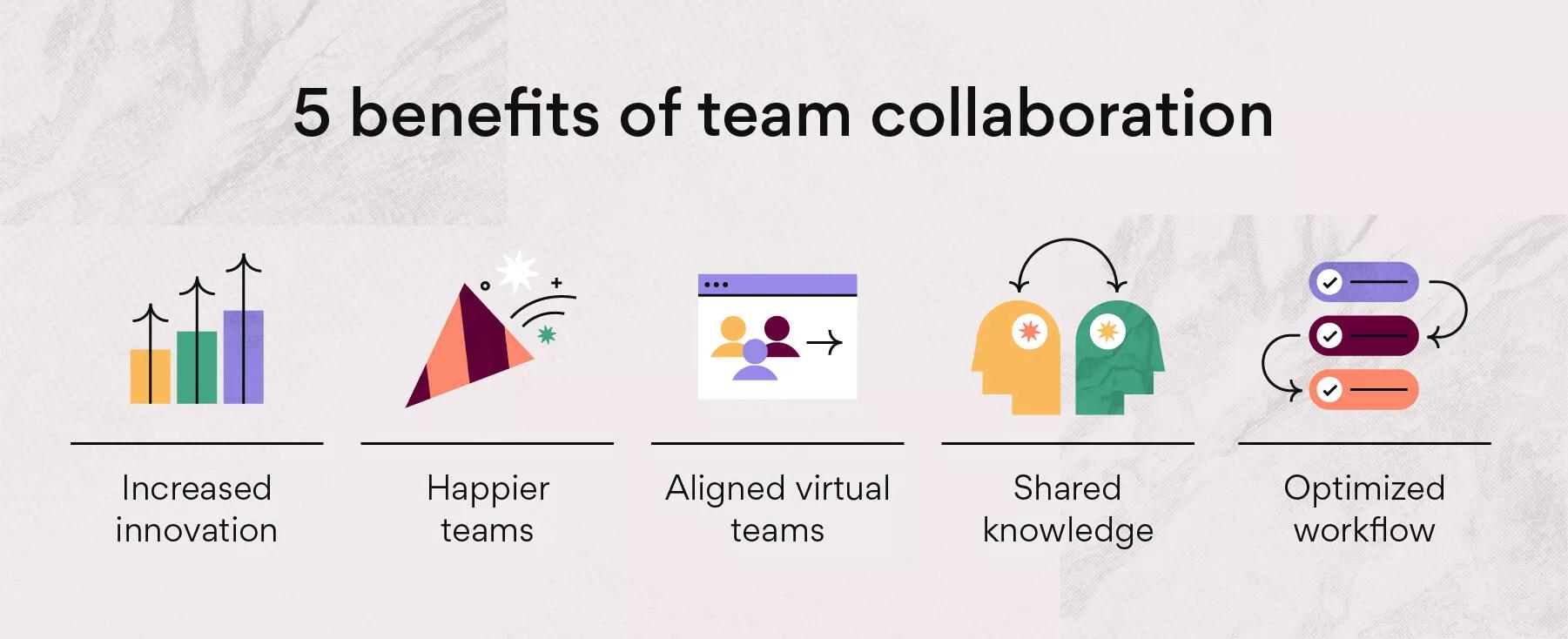
Improving collaboration between teams involves a multifaceted approach that combines clear communication, the right tools, and a supportive organizational culture. Here are some detailed strategies to enhance collaboration:
1. Establish Clear Communication Channels
Effective communication is the cornerstone of successful team collaboration. To improve this, organizations should establish and maintain clear communication channels.
This includes regular team meetings, both in-person and virtual, and the use of communication tools like Slack, Microsoft Teams, or email. It is important to ensure that all team members have access to these tools and are trained on how to use them effectively.
Additionally, setting ground rules for communication, such as response times and preferred methods, can help streamline the process.
- Regularly scheduled team meetings to discuss ongoing projects and address any issues.
- Use of real-time communication tools to facilitate quick and efficient information sharing.
- Clear guidelines on communication protocols and expectations to avoid misunderstandings.
2. Foster a Culture of Trust and Respect
A culture of trust and respect is essential for fostering collaboration. Team members are more likely to share ideas and work together when they feel valued and respected. Leaders play a crucial role in cultivating this culture by promoting transparency, recognizing contributions, and addressing conflicts constructively.
Team-building activities, such as workshops and social events, can also help break down barriers and build stronger relationships.
- Leaders setting the tone by being approachable and open to feedback.
- Regular team-building activities to enhance camaraderie and understanding.
- Implementing a system for recognizing and rewarding collaborative efforts.
3. Utilize Collaborative Tools and Technologies
Modern technology offers a wide range of tools that can significantly enhance collaboration. Project management software like Asana, Trello, or Monday.com can help teams stay organized and track progress. Cloud-based platforms like Google Workspace and Microsoft 365 allow for real-time collaboration on documents and projects.
It is important to select tools that fit the specific needs of the team and provide training to ensure all members are proficient in their use.
- Adoption of project management software to streamline task tracking and delegation.
- Use of cloud-based platforms for real-time document collaboration.
- Regular training sessions to help team members get the most out of collaborative tools.
What is an effective method for improving team collaboration?
An effective method for improving team collaboration involves a combination of strategic communication, reliable tools, and a supportive organizational culture.
Communication is the cornerstone of any successful collaboration. Teams must have clear, open, and consistent channels of communication to ensure that everyone is on the same page. This can be achieved through regular meetings, transparent updates, and the use of collaboration tools. Additionally, fostering a culture of trust and respect is crucial.
Team members should feel safe to share ideas, give feedback, and take risks without fear of retribution. Finally, providing the right tools and resources can significantly enhance collaboration. This includes project management software, shared documents, and virtual meeting platforms. By implementing these strategies, teams can work more efficiently and effectively.
Enhancing Communication Channels
Effective team collaboration starts with robust communication. Establishing clear and consistent communication channels is essential for keeping everyone informed and aligned. Here are some ways to enhance communication:
- Regular Meetings: Schedule regular check-ins, whether daily stand-ups, weekly team meetings, or monthly reviews, to ensure that everyone is updated on ongoing projects and any issues that arise.
- Transparent Updates: Use tools like project management software to provide real-time updates and progress reports. This helps team members stay informed without needing constant meetings.
- Open Forums: Create open forums or channels where team members can share ideas, ask questions, and provide feedback. This can be done through chat platforms or dedicated collaboration tools.
Building a Supportive Culture
A supportive culture is vital for fostering collaboration. When team members feel supported and respected, they are more likely to contribute openly and work effectively together. Here are some steps to build a supportive culture:
- Trust Building: Encourage team-building activities and icebreakers to build trust among team members. Trust is the foundation of effective collaboration.
- Recognition and Reward: Acknowledge and reward collaboration and teamwork. Recognizing individual and team achievements can boost morale and motivation.
- Conflict Resolution: Implement fair and transparent conflict resolution processes. Addressing conflicts promptly and constructively can prevent them from escalating and damaging team dynamics.
Leveraging the Right Tools
The right tools can significantly enhance team collaboration by streamlining workflows and facilitating communication. Here are some tools and technologies that can improve collaboration:
- Project Management Software: Tools like Asana, Trello, or Monday.com can help teams manage tasks, deadlines, and resources efficiently.
- Communication Platforms: Use platforms like Slack, Microsoft Teams, or Google Meet to facilitate real-time communication and collaboration.
- Shared Documents: Cloud-based document management systems like Google Workspace or Microsoft 365 allow team members to work on the same documents simultaneously, reducing version control issues.
Does teamwork have a CRM?
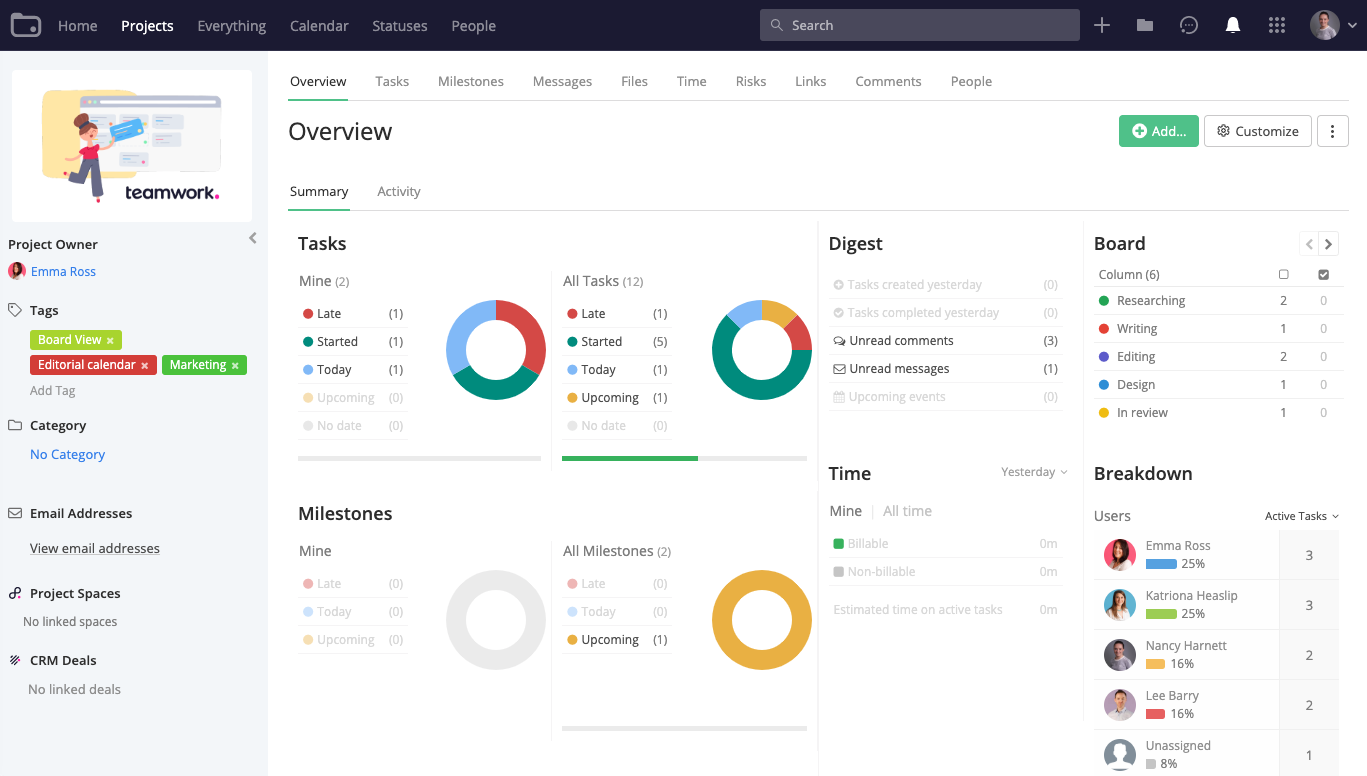
Teamwork, as an entity, does not inherently possess a Customer Relationship Management (CRM) system in the traditional sense. However, many organizations and teams use CRM tools to enhance collaboration and manage customer interactions effectively.
A CRM system can significantly benefit teams by centralizing customer data, streamlining communication, and providing valuable insights that improve decision-making and customer service.
Benefits of Using a CRM in Teamwork
A CRM system can offer numerous advantages when integrated into a team’s workflow:
- Improved Collaboration: CRMs allow multiple team members to access and update customer information in real-time, ensuring everyone is on the same page.
- Enhanced Productivity: By automating routine tasks such as data entry and follow-ups, CRMs can free up team members to focus on more strategic activities.
- Better Customer Insights: CRMs provide comprehensive customer profiles and analytics, enabling teams to understand customer needs and preferences more deeply.
Common CRM Features for Teamwork
Several key features make CRMs particularly useful for teamwork:
- Contact Management: Teams can store and manage customer contact information, interactions, and communication history in a centralized database.
- Task and Project Management: CRMs often include tools for assigning tasks, tracking progress, and collaborating on projects, which is essential for team efficiency.
- Reporting and Analytics: Advanced reporting features allow teams to generate insights and metrics to measure performance and identify areas for improvement.
Challenges of Implementing a CRM for Teamwork
While CRMs offer significant benefits, there are also challenges to consider when implementing them in a team environment:
- User Adoption: Ensuring that all team members are comfortable and consistent in using the CRM can be a challenge, requiring training and support.
- Data Quality: Maintaining accurate and up-to-date customer data is crucial for the effectiveness of a CRM, which can be a continuous effort.
- Integration: Integrating a CRM with existing systems and processes can be complex, requiring careful planning and technical expertise to ensure seamless operation.