In today’s competitive business landscape, enhancing customer engagement is more critical than ever. Personalized Customer Relationship Management (CRM) strategies have emerged as a powerful tool to foster deeper connections with customers, driving loyalty and increasing satisfaction.
By leveraging advanced data analytics and AI-driven insights, companies can tailor their interactions to meet the unique needs and preferences of each individual.
This not only improves the customer experience but also opens up new avenues for growth and revenue. In this article, we will explore the key elements of personalized CRM, its benefits, and how businesses can effectively implement these strategies to stay ahead in a rapidly evolving market.
Enhance Customer Engagement with Personalized CRM
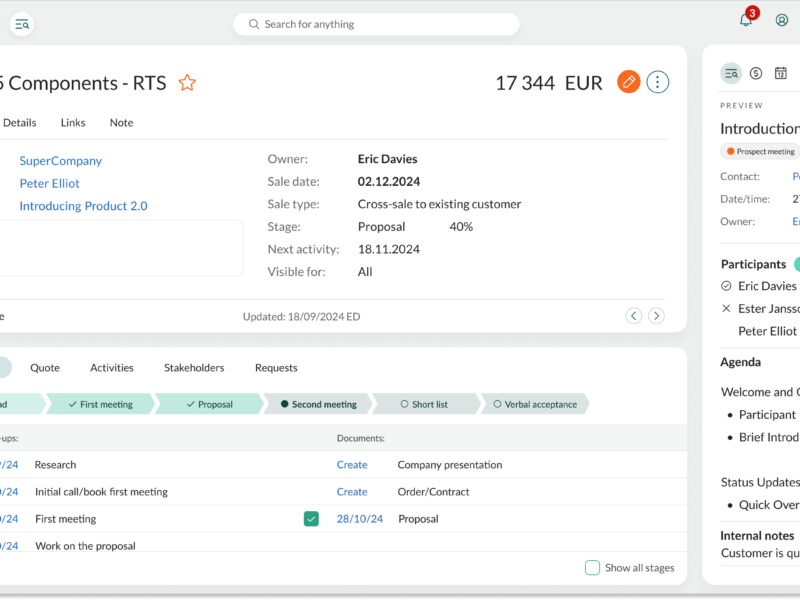
Customer Relationship Management (CRM) systems are no longer just about managing customer data; they are powerful tools for enhancing customer engagement through personalization.
By leveraging advanced analytics and customer data, businesses can tailor their interactions to meet the unique needs and preferences of each customer. This not only improves customer satisfaction but also fosters loyalty and drives revenue growth.
The Importance of Personalization in CRM
Personalization in CRM involves using customer data to create tailored experiences. This can range from personalized emails and recommendations to customized product offerings and support interactions. By understanding each customer’s behavioral patterns, preferences, and history, businesses can build deeper, more meaningful relationships. Personalization helps in enhancing customer loyalty and can significantly improve the overall customer lifetime value.
Leveraging Technology for Personalized CRM
Advanced technologies such as machine learning and artificial intelligence (AI) play a crucial role in personalizing CRM. These technologies can analyze vast amounts of customer data to identify patterns and insights that would be impossible for humans to discern. For instance, AI can predict which products a customer is most likely to buy next or what type of content they prefer. By integrating these insights into CRM systems, businesses can deliver highly personalized and relevant experiences.
Best Practices for Implementing Personalized CRM
To successfully implement personalized CRM, businesses need to follow best practices that ensure the effective use of customer data. Start by segmenting your customer base into distinct groups based on demographics, behavior, and preferences. Then, use customer journey mapping to understand the different touchpoints and interactions customers have with your brand. Finally, continuously test and optimize your personalization strategies using A/B testing and feedback from customers. This approach ensures that your CRM efforts are not only personalized but also effective in driving engagement.
| Benefits of Personalized CRM | Examples |
|---|---|
| Increased Customer Satisfaction | Personalized product recommendations, tailored support |
| Higher Customer Loyalty | Loyalty programs, personalized offers |
| Improved Revenue Growth | Upselling, cross-selling, reduced churn |
| Enhanced Customer Insights | Behavioral analysis, predictive analytics |
How does CRM contribute to customer engagement?
Customer Relationship Management (CRM) systems play a pivotal role in enhancing customer engagement by providing businesses with tools and insights to better understand and interact with their customers. By centralizing customer data, CRM systems enable organizations to deliver personalized experiences, streamline communication, and improve overall customer satisfaction. Here’s how CRM contributes to customer engagement:
Personalization and Customer Insights
CRM systems collect and analyze vast amounts of customer data, including purchase history, interactions, and preferences. This data allows businesses to create detailed customer profiles, enabling them to deliver highly personalized communications and offerings. For instance:
- Customized marketing campaigns can be tailored to individual customer needs and preferences.
- Product recommendations can be based on past purchases and browsing behavior.
- Customer service can be more effective with agents having access to a customer’s complete interaction history.
Streamlined Communication and Interaction
CRM systems facilitate smoother and more efficient communication between businesses and their customers. They provide a unified platform for managing all customer interactions, whether through email, phone, social media, or chat. This ensures that:
- Customer inquiries are handled promptly and efficiently.
- Communication history is easily accessible, reducing the likelihood of information gaps.
- Automated responses and reminders can be set up to keep customers informed and engaged.
Enhanced Customer Support and Service
Effective customer support is crucial for maintaining high levels of engagement. CRM systems equip businesses with the tools to provide exceptional customer service, which can lead to increased loyalty and positive word-of-mouth. These tools include:
- Ticketing systems for tracking and resolving customer issues efficiently.
- Knowledge bases and FAQs to help customers find solutions independently.
- Real-time analytics to monitor customer satisfaction and identify areas for improvement.
What is the role of personalized communication in enhancing customer engagement?
Personalized communication plays a crucial role in enhancing customer engagement by fostering a deeper connection between the brand and its audience. By tailoring messages to individual preferences, behaviors, and needs, businesses can create more relevant and meaningful interactions.
This approach not only increases customer satisfaction but also builds trust and loyalty, leading to higher retention rates and increased customer lifetime value.
The Impact of Personalized Communication on Customer Loyalty
Personalized communication significantly boosts customer loyalty by making individuals feel valued and understood. When customers receive communications that address their specific interests and needs, they are more likely to remain engaged and loyal to the brand. For instance:
- Personalized email campaigns can lead to higher open and click-through rates, as they are more relevant to the recipient.
- Customized product recommendations based on past purchases can enhance the shopping experience and encourage repeat business.
- Tailored loyalty programs that offer rewards for individual preferences can deepen the emotional connection with the brand.
How Personalized Communication Drives Customer Satisfaction
Effective personalized communication is a key driver of customer satisfaction. By delivering relevant and timely information, businesses can meet and exceed customer expectations, leading to higher levels of satisfaction. For example:
- Personalized customer service interactions, such as addressing customers by name and referencing past interactions, can make them feel more valued.
- Timely and relevant content, such as personalized product updates or exclusive offers, can enhance the overall customer experience.
- Customized feedback surveys that reflect the customer’s recent interactions can provide insights that improve service quality.
Strategies for Implementing Personalized Communication
To successfully implement personalized communication, businesses need to adopt several strategic approaches. These strategies ensure that the communication is not only personalized but also effective and sustainable. Some key strategies include:
- Data Collection and Analysis: Collecting and analyzing customer data is essential for understanding individual preferences and behaviors. This data can be gathered through various channels, such as online transactions, social media interactions, and customer feedback.
- Segmentation and Targeting: Segmenting customers into specific groups based on their characteristics and behaviors allows for more targeted and relevant communication. This can be done using demographic, psychographic, and behavioral data.
- Automation and Technology: Leveraging automation tools and advanced technologies, such as AI and machine learning, can help businesses scale personalized communication efforts efficiently. These tools can automate personalized messaging, content recommendations, and customer service interactions.
What are the 4 P’s of customer engagement?
)
The 4 P’s of customer engagement are a framework used to enhance customer interactions and build stronger relationships. These 4 P’s stand for People, Processes, Products, and Policies. Here’s a detailed explanation of each:
1. People
People refer to the employees, customers, and stakeholders involved in the customer engagement process. Engaging people effectively involves understanding their needs, expectations, and preferences. To ensure successful customer engagement through people, companies can:
- Train employees to provide exceptional service and build rapport with customers.
- Encourage open communication and feedback from customers to understand their experiences and areas for improvement.
- Create a positive and inclusive work culture that promotes collaboration and customer-centric behavior.
2. Processes
Processes encompass the systems and procedures in place to facilitate customer engagement. Streamlined and efficient processes can significantly enhance the customer experience. Key aspects of processes in customer engagement include:
- Implementing user-friendly and intuitive systems for customer interactions, such as online portals and mobile apps.
- Ensuring that customer service processes are well-documented and consistently followed to maintain high standards.
- Regularly reviewing and updating processes to address emerging customer needs and technological advancements.
3. Products
Products are the goods or services offered by a company. Engaging customers with high-quality and relevant products is crucial for building long-term relationships. To achieve this, companies should:
- Continuously innovate and improve products based on customer feedback and market trends.
- Offer a variety of products to cater to different customer segments and preferences.
- Ensure that products are easily accessible and well-marketed to reach the target audience effectively.
4. Policies
Policies are the rules and guidelines that govern how a company operates and engages with customers. Clear and customer-friendly policies can enhance trust and satisfaction. Effective policies for customer engagement might include:
- Transparent and fair pricing and return policies that build customer trust.
- Privacy policies that protect customer data and ensure secure transactions.
- Customer loyalty programs and incentives that reward repeat business and encourage continued engagement.
How does CRM enhance customer experience?
A Customer Relationship Management (CRM) system significantly enhances the customer experience in several ways. By integrating various customer interaction points and data sources, a CRM provides businesses with a comprehensive view of each customer, enabling more personalized and efficient service.
Here’s how CRM systems improve customer experience:
Personalized Customer Interactions
CRM systems gather and consolidate data from various touchpoints, such as email, social media, and customer support tickets. This data helps businesses understand customer preferences, behavior, and needs, allowing for more personalized interactions. For example:
- CRM can track purchase history and use this information to recommend relevant products or services.
- Customer service representatives can access a customer’s interaction history to provide more informed and relevant assistance.
- Marketers can tailor content and offers based on customer interests and past behaviors, increasing the likelihood of engagement and satisfaction.
Efficient and Timely Service
One of the primary benefits of a CRM is its ability to streamline and automate customer service processes. By centralizing customer data, CRM systems enable faster and more accurate responses to customer inquiries and issues. For example:
- Automated ticketing systems can route customer queries to the appropriate department, reducing response times.
- Self-service portals allow customers to find answers to common questions, access account information, and resolve issues independently.
- CRM systems can track customer service metrics, such as resolution times and customer satisfaction scores, helping businesses identify areas for improvement.
Consistent Customer Experience Across Channels
In today’s omnichannel environment, customers expect a seamless experience whether they interact with a brand via phone, email, social media, or in person. CRM systems ensure consistency across all channels by providing a unified view of customer data and interactions. For example:
- Customer service representatives can view a complete history of customer interactions, regardless of the channel used, to provide consistent and contextually relevant support.
- CRM systems can synchronize data in real-time, ensuring that the information is up-to-date across all channels.
- Businesses can use CRM data to create cohesive marketing campaigns that deliver consistent messaging and offers across multiple channels.
Frequently Asked Questions
How can personalized CRM enhance customer engagement?
Personalized CRM enhances customer engagement by tailoring interactions to meet individual customer needs and preferences. By analyzing customer data, CRM systems can provide relevant recommendations, personalized communications, and timely offers, which foster a more meaningful and engaging relationship with each customer.
What are the key features of a personalized CRM system?
Key features of a personalized CRM system include advanced analytics, customer segmentation, automated marketing campaigns, and integrated customer feedback. These features help businesses understand customer behavior, preferences, and feedback, allowing for more targeted and effective communication and service.
How does personalization in CRM improve customer loyalty?
Personalization in CRM improves customer loyalty by making customers feel valued and understood. When customers receive relevant and timely communications, recommendations, and support, they are more likely to remain loyal and make repeat purchases. This builds a stronger, more lasting relationship with the brand.
What are the steps to implement a personalized CRM strategy?
To implement a personalized CRM strategy, start by collecting and analyzing customer data to understand their needs and preferences. Next, segment customers into different groups and tailor your marketing and service efforts accordingly. Finally, use automation and analytics to continuously refine and optimize your CRM processes, ensuring a seamless and personalized experience for each customer.