In today’s competitive business landscape, maximizing team productivity is paramount for achieving organizational success. One effective strategy is the implementation of an integrated Customer Relationship Management (CRM) system.
An integrated CRM not only streamlines processes and enhances collaboration among team members but also provides valuable insights to drive better decision-making. By centralizing customer data, automating routine tasks, and fostering a more cohesive workflow, teams can focus on high-impact activities that drive growth.
This article explores how integrating a CRM can transform team dynamics, boost efficiency, and ultimately propel your business to new heights.
Boost Team Efficiency with a Seamless CRM Integration
Integrating a Customer Relationship Management (CRM) system into your team’s workflow can significantly enhance productivity. An integrated CRM provides a centralized platform for managing customer interactions, tracking sales pipelines, and automating routine tasks.
This not only streamlines processes but also ensures that all team members have access to real-time, accurate data, leading to more effective decision-making and improved collaboration. By automating repetitive tasks, such as data entry and follow-up emails, team members can focus on higher-value activities that drive business growth.
Centralize Customer Data for Enhanced Collaboration
One of the primary benefits of an integrated CRM is the ability to centralize customer data. This means that all relevant customer information, including contact details, interaction histories, and purchase records, is stored in a single, accessible location.
This centralization ensures that every team member has the most up-to-date information at their fingertips, reducing the likelihood of miscommunication and duplicated efforts. Efficient access to comprehensive customer data enhances collaboration and allows teams to provide more personalized and effective service.
Automate Routine Tasks to Save Time
An integrated CRM can automate a variety of routine tasks, such as data entry, follow-up emails, and appointment scheduling. By automating these tasks, team members can save a significant amount of time that would otherwise be spent on mundane, repetitive activities. This time can be redirected towards more strategic and value-added tasks, such as building customer relationships and developing new business opportunities. Automation not only boosts productivity but also reduces the potential for human error, leading to more reliable and consistent results.
Streamline Communication with Built-in Tools
Integrated CRMs often come with built-in communication tools, such as internal messaging, task management, and collaboration platforms. These tools facilitate seamless communication among team members, ensuring that everyone is on the same page and working towards common goals. By reducing the need for external communication tools, an integrated CRM can help streamline workflows and improve overall team efficiency. Effective communication is crucial for maintaining a cohesive and productive team, and an integrated CRM provides the necessary tools to achieve this.
| Benefit | Explanation |
|---|---|
| Centralized Customer Data | Ensures all team members have access to real-time, accurate customer information, reducing miscommunication and duplicated efforts. |
| Automated Routine Tasks | Saves time by automating data entry, follow-up emails, and scheduling, allowing team members to focus on higher-value activities. |
| Streamlined Communication | Facilitates seamless internal communication and collaboration, ensuring team members are aligned and working towards common goals. |
How does CRM improve productivity?
A Customer Relationship Management (CRM) system can significantly enhance productivity in various ways, contributing to a more efficient and streamlined business operation.
By centralizing customer data and automating routine tasks, CRM tools allow businesses to focus on strategic activities that drive growth and improve customer satisfaction. Here’s a detailed look at how CRM improves productivity:
Centralization of Customer Data
One of the primary benefits of a CRM system is the centralization of customer data. By consolidating all customer information in one place, businesses can easily access and manage data, reducing the time and effort required to gather and update information.
This centralized approach ensures that all team members have access to the most current and accurate data, which is crucial for making informed decisions and providing consistent customer service.
- Reduced time spent searching for information: With all customer data in one place, employees can quickly find the information they need, minimizing the time spent on data retrieval.
- Improved data accuracy: Centralized data management helps to maintain data integrity, reducing errors and inconsistencies that can arise from siloed information systems.
- Enhanced collaboration: A single source of truth for customer data facilitates better communication and collaboration among team members, ensuring everyone is on the same page.
Automated Workflows and Processes
CRM systems automate a wide range of routine tasks, from lead management to marketing campaigns, freeing up valuable time for employees. Automated workflows reduce the need for manual data entry and administrative tasks, allowing staff to focus on high-value activities that require human interaction and creativity.
- Lead management: CRM systems can automatically qualify and route leads to the appropriate sales team members, ensuring that potential customers are promptly and efficiently handled.
- Marketing automation: Automated marketing campaigns can be set up to send targeted emails, social media posts, and other communications, reducing the workload of marketing teams.
- Task automation: Routine tasks such as follow-up reminders, appointment scheduling, and report generation can be automated, allowing employees to concentrate on more strategic initiatives.
Enhanced Customer Insights and Personalization
CRM systems provide valuable insights into customer behavior and preferences, enabling businesses to tailor their interactions and offerings to meet individual needs. This personalization not only improves customer satisfaction but also increases the likelihood of repeat business and customer loyalty.
- Data analytics: CRM tools offer advanced analytics capabilities that help businesses identify trends, patterns, and opportunities within customer data, leading to more informed business decisions.
- Personalized marketing: With detailed customer profiles, businesses can create personalized marketing messages and offers, increasing the effectiveness of their marketing efforts.
- Customer segmentation: CRM systems allow for the segmentation of customers based on various criteria, enabling targeted and relevant communications and services.
How to increase CRM efficiency?
To increase CRM efficiency, organizations must focus on optimizing the processes, technologies, and strategies they use to manage customer relationships. Here are some detailed steps to enhance CRM efficiency:
Optimizing Data Management
Effective data management is crucial for CRM efficiency. Ensuring that the data in your CRM system is accurate, up-to-date, and accessible can significantly improve decision-making and customer service.
- Regularly clean and update your database to remove duplicates and outdated information.
- Implement data validation rules to ensure that all data entered into the system meets specific standards.
- Use advanced data analytics tools to gain insights into customer behavior and preferences, which can help in tailoring your marketing and service strategies.
Customizing CRM Features to Fit Your Business Needs
A one-size-fits-all approach to CRM is rarely effective. Customizing your CRM to align with your specific business processes and objectives can improve efficiency and user adoption.
- Identify the key features that are most relevant to your business and customize the CRM interface to prioritize these features.
- Integrate your CRM with other business tools and systems, such as marketing automation, customer support software, and financial systems, to streamline workflows and reduce redundancy.
- Train your staff on how to use the customized CRM effectively to ensure they are leveraging all available features to their full potential.
Enhancing User Experience
A user-friendly and intuitive CRM system can greatly enhance efficiency by making it easier for employees to access and use customer data.
- Design a user-friendly interface that is easy to navigate, with clear labels and intuitive controls.
- Provide ongoing training and support to help users become more proficient with the CRM system, reducing the learning curve and increasing productivity.
- Regularly gather feedback from users to identify pain points and areas for improvement, and make iterative changes to the system based on this feedback.
How the CRM is used as an integrated business strategy?
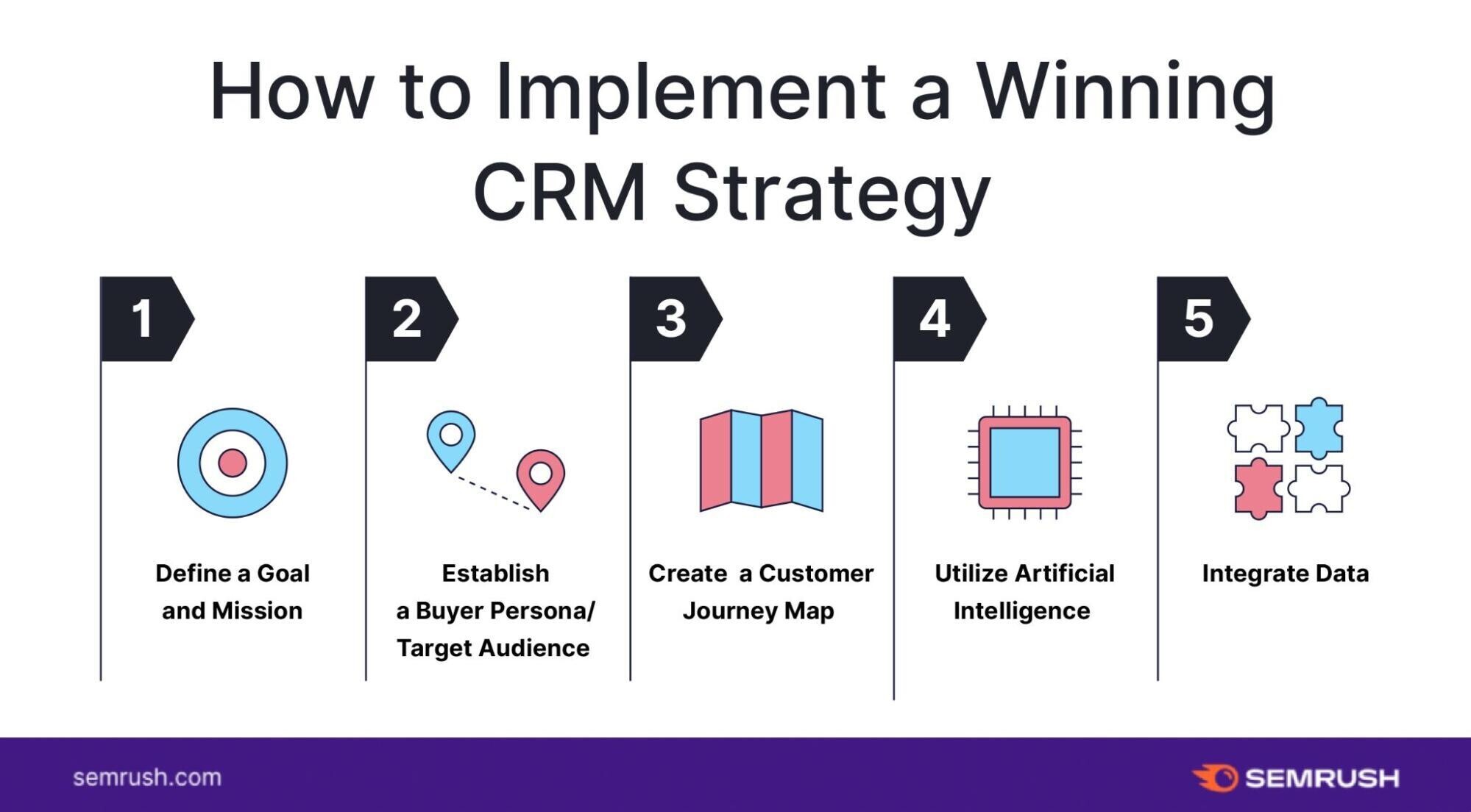
Customer Relationship Management (CRM) systems are pivotal in modern business strategies, providing a comprehensive approach to managing customer interactions, data, and insights.
When integrated effectively, CRM can enhance customer satisfaction, improve operational efficiency, and drive revenue growth. Here’s how CRM can be used as an integrated business strategy:
1. Customer Data Centralization: CRM systems centralize customer data, including contact information, purchase history, and interaction records. This centralized repository allows all departments, such as sales, marketing, and customer service, to access and utilize the same data, ensuring consistency and accuracy.
2. Personalized Customer Experiences: By leveraging detailed customer data, businesses can tailor their interactions and offerings. Personalization can range from email marketing campaigns that address customers by name to product recommendations based on past purchases. This level of personalization enhances customer satisfaction and loyalty.
3. Streamlined Sales Processes: CRM tools automate and optimize sales processes, from lead generation to closing deals. Sales teams can track leads, manage opportunities, and forecast revenue more accurately. This streamlining reduces the time spent on administrative tasks and increases the time available for customer engagement.
4. Enhanced Customer Service: CRM systems provide customer service teams with a complete view of each customer, enabling them to resolve issues more efficiently. Features like case management, knowledge bases, and automated ticketing systems ensure that customer inquiries are handled promptly and effectively.
5. Data-Driven Decision Making: Integrated CRM systems provide actionable insights through analytics and reporting. These insights help businesses identify trends, optimize marketing campaigns, and make informed decisions. Data-driven strategies can lead to more effective targeting, better customer segmentation, and improved ROI.
1. Leveraging CRM for Cross-Departmental Collaboration
CRM systems facilitate cross-departmental collaboration by providing a unified platform for sharing customer data and insights. This integration ensures that all teams are aligned and working towards common goals.
– Sales and Marketing Alignment: CRM helps align sales and marketing efforts by providing a shared database of leads and customer interactions. This alignment ensures that marketing efforts are targeted and that sales teams are well-informed.
– Customer Service and Support: Customer service teams can access historical data to provide more informed and efficient support. This data can also be used to identify common issues and proactively address them.
– Product Development: Insights from CRM can inform product development by highlighting customer needs and preferences. This data-driven approach ensures that new products are aligned with market demand.
2. CRM and Customer Journey Mapping
CRM systems enable businesses to map the customer journey, from initial contact to long-term loyalty. By tracking and analyzing each stage of the journey, businesses can identify areas for improvement and optimize the overall customer experience.
– Identifying Key Touchpoints: CRM helps identify key touchpoints where customers interact with the business, such as website visits, phone calls, and email campaigns. Analyzing these touchpoints can reveal which interactions are most effective.
– Personalizing the Journey: With detailed customer data, businesses can personalize the customer journey at each stage. Personalized content, offers, and support can increase customer engagement and satisfaction.
– Improving Retention and Loyalty: By understanding the entire customer journey, businesses can implement strategies to improve retention and loyalty. This includes addressing churn risks, rewarding loyal customers, and offering exceptional service.
3. Integrating CRM with Other Business Tools
To maximize the effectiveness of CRM, it is essential to integrate it with other business tools and systems. This integration ensures seamless data flow and enhances the overall functionality of the CRM system.
– Marketing Automation: Integrating CRM with marketing automation tools allows for the creation of targeted and automated marketing campaigns. This integration can improve lead nurturing, email marketing, and social media engagement.
– E-commerce Platforms: Connecting CRM with e-commerce platforms provides real-time sales data and customer purchase history. This integration can enhance inventory management, order processing, and customer service.
– Analytics and Reporting Tools: Integrating CRM with analytics and reporting tools provides deeper insights into customer behavior and business performance. This integration can help businesses make data-driven decisions and optimize their strategies.
What are three benefits of using a CRM system?
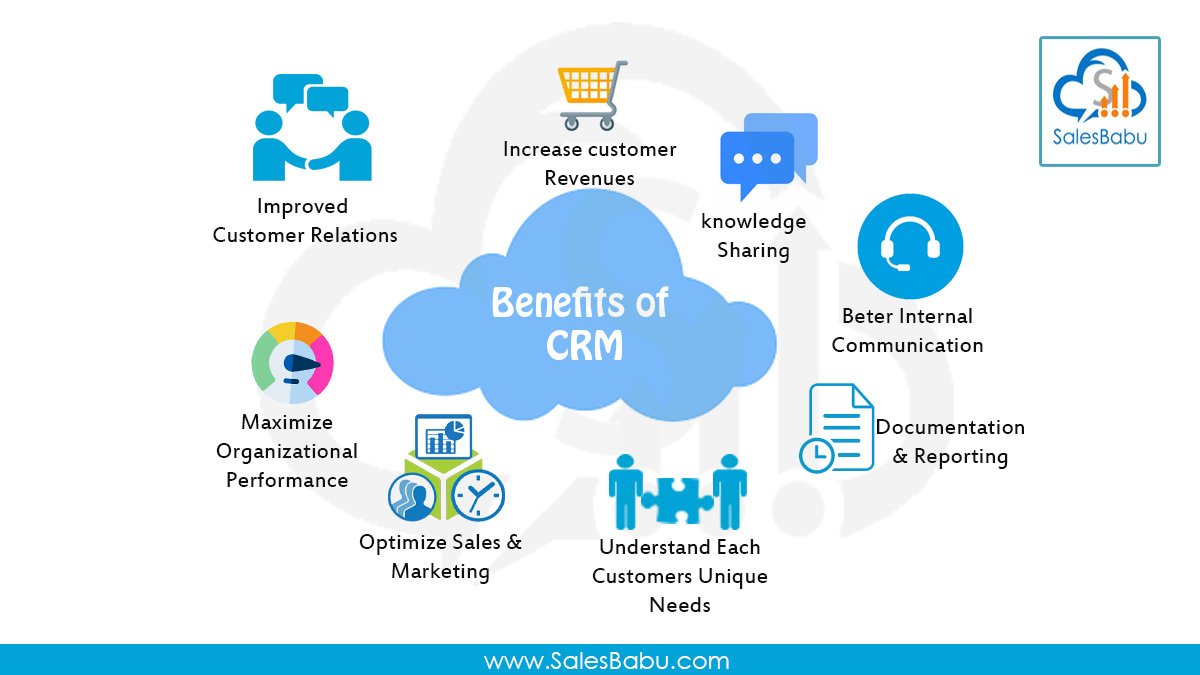
1. Enhanced Customer Relationships: A CRM system helps businesses to build and maintain strong relationships with their customers. By centralizing customer data, businesses can gain a comprehensive view of each customer, including their preferences, purchase history, and interaction history. This allows companies to personalize their communications and offers, leading to higher customer satisfaction and loyalty. Additionally, CRM systems often include tools for managing customer interactions across multiple channels, ensuring that customer service is efficient and consistent.
2. Improved Operational Efficiency: CRM systems streamline and automate many business processes, such as sales, marketing, and customer service. This automation reduces the time and effort required to manage these tasks, allowing employees to focus on more strategic activities. For example, automated lead scoring and segmentation can help sales teams prioritize their efforts, while marketing automation can handle repetitive tasks like email campaigns and social media posting. This leads to increased productivity and efficiency across the organization.
3. Data-Driven Decision Making: CRM systems provide valuable insights through data analytics and reporting. By analyzing customer data, businesses can identify trends, preferences, and patterns that inform strategic decisions. For instance, sales performance reports can highlight which products or services are performing well, while customer feedback can guide product development. These insights help businesses to make more informed decisions, optimize their strategies, and stay ahead of the competition.
1. Personalized Customer Interactions
Personalized interactions are a cornerstone of effective customer relationship management. A CRM system enables businesses to:
- Collect and store comprehensive customer data, including demographics, purchase history, and communication preferences.
- Use this data to tailor communications and offers, ensuring that each customer receives relevant and personalized content.
- Track and analyze customer interactions across multiple channels to provide consistent and seamless experiences.
2. Streamlined Sales and Marketing Processes
CRMs streamline sales and marketing processes by automating and optimizing various tasks. This includes:
- Automated lead scoring to prioritize high-potential leads and improve sales efficiency.
- Marketing automation for managing email campaigns, social media posts, and other digital marketing efforts.
- Integrated analytics to track the performance of sales and marketing activities, providing insights for continuous improvement.
3. Enhanced Data Analytics and Reporting
Data analytics and reporting are essential for making informed business decisions. A CRM system provides:
- Comprehensive reports on sales performance, customer behavior, and marketing effectiveness.
- Advanced analytics tools to uncover trends and patterns in customer data.
- Real-time dashboards that offer a quick overview of key metrics, enabling faster decision-making.
Frequently Asked Questions
How does an integrated CRM system specifically enhance team productivity?
An integrated CRM system streamlines communication, automates repetitive tasks, and provides a centralized database for customer information. This ensures that all team members have access to real-time data, reducing errors and improving efficiency. With automated workflows, teams can focus more on strategic activities rather than mundane tasks.
What are the key features of an integrated CRM that boost productivity?
Key features include automated data entry, workflow automation, real-time reporting, and integrated communication tools. These features reduce manual data handling, provide actionable insights, and facilitate seamless collaboration among team members, thereby increasing productivity and reducing response times.
How can an integrated CRM help in better project management?
An integrated CRM offers robust project management tools that allow teams to track project progress, assign tasks, and set deadlines efficiently. With integrated calendars and task lists, team members can stay organized and aligned, ensuring projects are completed on time and within budget. This reduces redundancy and enhances overall team productivity.
What training is necessary for a team to effectively use an integrated CRM?
To use an integrated CRM effectively, teams should undergo training on data entry, navigation, and customizing workflows. Training sessions can be conducted by the CRM provider or in-house experts. Ongoing support and regular updates on new features are also crucial to ensure that the team remains proficient and maximizes the system’s potential.