In today’s fast-paced business environment, effective customer management is not just a nicety—it’s a necessity for sustainable growth. Companies that streamline their customer management processes gain a competitive edge by enhancing customer satisfaction, fostering loyalty, and driving revenue.
This article explores strategic approaches and innovative tools that can help businesses optimize their customer management systems.
From leveraging CRM software to implementing personalized communication strategies, we will delve into practical solutions that can transform customer interactions, streamline operations, and ultimately propel your business towards maximum growth.
Optimizing Customer Management Processes for Unprecedented Growth
Streamlining customer management is crucial for driving business growth. By implementing efficient and effective customer management practices, companies can enhance customer satisfaction, improve retention rates, and increase revenue.
This involves leveraging advanced technologies, such as customer relationship management (CRM) systems, to centralize data, automate workflows, and provide personalized experiences. These strategies not only optimize internal processes but also create a seamless and engaging customer journey, leading to maximum growth potential.
Implementing CRM Systems for Enhanced Data Management
CRM systems are at the core of streamlined customer management. These platforms allow businesses to centralize and standardize customer data, making it easily accessible and actionable. By integrating various data sources, such as sales, marketing, and customer service, CRM systems provide a 360-degree view of each customer.
This comprehensive understanding enables companies to make data-driven decisions, personalize interactions, and improve overall customer satisfaction. Additionally, CRM systems can automate routine tasks, freeing up valuable time for more strategic initiatives that drive growth.
Leveraging Automation to Improve Customer Interactions
Automation is a powerful tool in streamlining customer management. By automating repetitive tasks, such as lead qualification, follow-up emails, and appointment scheduling, businesses can enhance efficiency and reduce the risk of human error. This allows customer service teams to focus on high-value activities, such as building relationships and resolving complex issues. Automated workflows can also ensure that customers receive timely and relevant communications, leading to improved engagement and loyalty. Ultimately, automation helps businesses provide a seamless and consistent customer experience, which is essential for driving growth.
Personalizing Customer Experiences for Maximum Impact
Personalization is key to successful customer management. By leveraging customer data and insights, businesses can tailor their interactions to meet individual needs and preferences. This can include personalized marketing messages, customized product recommendations, and targeted promotions. Personalization not only enhances the customer experience but also increases the likelihood of conversion and repeat business. Customer segmentation and behavioral analytics are valuable tools for identifying patterns and preferences, enabling businesses to create highly relevant and engaging experiences. By focusing on personalization, companies can build stronger customer relationships and drive significant growth.
| Strategy | Description | Benefits |
|---|---|---|
| Implementing CRM Systems | Centralizing and standardizing customer data for comprehensive insights and efficient management. | Enhanced data management, improved decision-making, increased customer satisfaction. |
| Leveraging Automation | Automating routine tasks to improve efficiency and reduce errors. | Improved efficiency, better customer engagement, reduced workload. |
| Personalizing Experiences | Tailoring interactions to meet individual customer needs and preferences. | Enhanced customer experience, increased conversion rates, stronger customer relationships. |
What is streamline management?
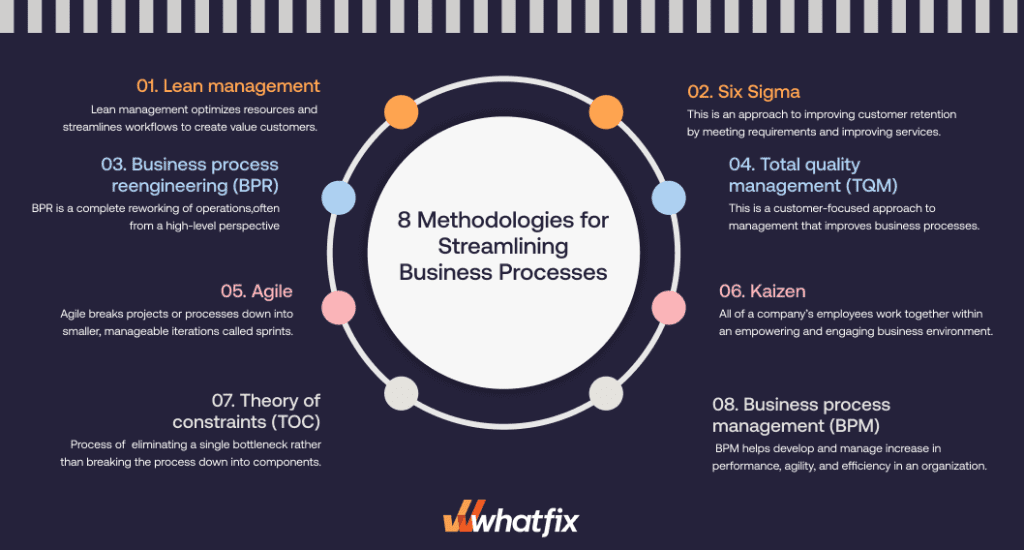
Streamline management is a business optimization strategy focused on improving efficiency and reducing waste within an organization. It involves simplifying processes, enhancing communication, and utilizing technology to streamline workflows. The primary goal of streamline management is to increase productivity, reduce costs, and improve overall performance. By eliminating unnecessary steps and automating repetitive tasks, organizations can achieve higher levels of efficiency and responsiveness in a dynamic business environment.
Key Principles of Streamline Management
Streamline management is guided by several key principles that help organizations achieve their goals of efficiency and effectiveness. These principles include:
- Simplification: Breaking down complex tasks into simpler, more manageable components to reduce complexity and improve clarity.
- Standardization: Establishing consistent procedures and protocols to ensure uniformity and predictability in processes.
- Automation: Leveraging technology to automate routine and repetitive tasks, freeing up employees to focus on more value-added activities.
Benefits of Streamline Management
Implementing streamline management can yield numerous benefits for organizations. These benefits include:
- Increased Efficiency: By eliminating redundant tasks and optimizing workflows, organizations can complete tasks more quickly and efficiently.
- Cost Reduction: Streamlining processes often leads to lower operational costs, as resources are used more effectively and waste is minimized.
- Enhanced Productivity: With streamlined processes, employees can focus on higher-value tasks, leading to increased productivity and job satisfaction.
Challenges in Implementing Streamline Management
While the benefits of streamline management are significant, there are also challenges that organizations may face during implementation. These challenges include:
- Resistance to Change: Employees may be resistant to new processes and technologies, requiring effective change management strategies.
- Initial Investment: Implementing streamline management often requires an initial investment in technology and training, which can be a barrier for some organizations.
- Data Integration: Ensuring that all systems and processes are integrated and can communicate effectively can be complex and time-consuming.
How to streamline customer service?
Streamlining customer service is essential for improving efficiency, enhancing customer satisfaction, and ensuring a positive brand reputation. Here are several strategies to help you achieve a more streamlined customer service process:
Implement a Robust Customer Service Software
One of the most effective ways to streamline customer service is by implementing a robust customer service software solution. This can include a CRM (Customer Relationship Management) system, helpdesk software, or an integrated platform that centralizes customer interactions. These tools can automate many routine tasks, such as ticket routing, response templates, and customer data management. By centralizing information and automating repetitive tasks, your team can focus on more complex issues that require human interaction.
- Choose a software that integrates with your existing systems to avoid data silos.
- Train your staff thoroughly to ensure they are comfortable using the new tools.
- Regularly review and update the software to take advantage of new features and improvements.
Offer Multiple Channels of Communication
Providing multiple channels of communication allows customers to choose the method that best suits their needs, which can significantly reduce wait times and improve satisfaction. Common channels include phone, email, live chat, social media, and self-service portals. Each channel should be supported by clear and concise information, and responses should be timely and consistent across all platforms.
- Ensure that all channels are monitored regularly and that response times are tracked and improved upon.
- Train your customer service team to handle different types of requests efficiently, regardless of the communication channel.
- Encourage customers to use the most appropriate channel for their needs, such as self-service for simple queries.
Develop a Comprehensive Knowledge Base
A well-maintained knowledge base is a valuable resource for both your customer service team and customers. It can reduce the need for direct interaction by providing quick and accurate answers to common questions. A knowledge base can include FAQs, troubleshooting guides, and step-by-step tutorials. Make sure the content is easy to understand and regularly updated to reflect changes in products or services.
- Involve multiple departments in the creation and maintenance of the knowledge base to ensure accuracy and completeness.
- Use customer feedback to continuously improve the content and structure of the knowledge base.
- Make the knowledge base easily accessible and searchable to both customers and customer service agents.
What does streamline customer experience mean?

Streamlining customer experience involves optimizing every aspect of a customer’s interaction with a brand to ensure efficiency, consistency, and satisfaction. This can encompass various touchpoints, from initial contact and product discovery to purchase, post-purchase support, and beyond. The goal is to remove any obstacles or inefficiencies that might frustrate or alienate customers, making their journey smoother and more enjoyable. By streamlining the customer experience, businesses can enhance customer loyalty, increase customer satisfaction, and ultimately drive higher revenue and growth.
Key Components of Streamlining Customer Experience
Streamlining customer experience involves several key components:
- Seamless Interactions: Ensuring that each customer touchpoint is designed for ease and efficiency, whether it’s navigating a website, making a purchase, or contacting customer support.
- Personalization: Tailoring the customer experience to individual preferences and needs through data-driven insights and technologies like AI and machine learning.
- Consistency: Maintaining a consistent brand message and experience across all channels and touchpoints to build trust and reliability with customers.
Benefits of Streamlining Customer Experience
Streamlining customer experience offers numerous benefits for businesses:
- Increased Customer Satisfaction: By removing friction and providing a smooth, enjoyable experience, businesses can significantly boost customer satisfaction levels.
- Enhanced Customer Loyalty: Satisfied customers are more likely to become loyal advocates, leading to repeat business and positive word-of-mouth.
- Improved Operational Efficiency: Streamlining processes can reduce operational costs and improve overall efficiency, allowing businesses to allocate resources more effectively.
Strategies for Streamlining Customer Experience
Implementing effective strategies is crucial for streamlining customer experience:
- Data-Driven Insights: Utilizing customer data to gain insights into behavior and preferences, which can inform targeted improvements in the customer journey.
- Customer Feedback: Actively seeking and acting on customer feedback to identify and address pain points in the customer experience.
- Technology Integration: Leveraging technology solutions such as CRM systems, chatbots, and automated workflows to enhance the customer experience and operational efficiency.
What processes on your team can be streamlined to benefit customers?
To optimize processes and benefit customers, several areas within our team can be streamlined. Here are detailed insights into these processes, along with related subheadings and detailed responses:
1. Customer Service Response Times
Improving customer service response times can significantly enhance customer satisfaction. Currently, our team employs a ticketing system for handling customer inquiries and support requests. However, there are opportunities to streamline this process:
- Implementing an automated response system: This can provide immediate acknowledgment to customers, setting clear expectations for response times.
- Training additional customer support staff: Ensuring that there are enough trained personnel to handle inquiries promptly can reduce wait times and improve efficiency.
- Utilizing chatbots and AI: These technologies can handle routine queries, allowing human agents to focus on more complex issues, thus reducing overall response times.
2. Order Fulfillment and Delivery
Efficient order fulfillment and delivery processes are crucial for customer satisfaction. Streamlining these processes can lead to faster and more reliable service:
- Optimizing inventory management: By using advanced inventory management software, we can ensure that stock levels are accurate and up-to-date, reducing the risk of delays.
- Automating order processing: Automating the order processing system can minimize errors and speed up the fulfillment process, ensuring that orders are dispatched more quickly.
- Partnering with reliable logistics providers: Collaborating with logistics companies that offer real-time tracking and efficient delivery services can enhance the overall customer experience.
3. Feedback and Continuous Improvement
Gathering and acting on customer feedback is essential for continuous improvement. Streamlining this process can help us better understand and meet customer needs:
- Implementing a structured feedback system: Creating a streamlined process for collecting and analyzing customer feedback can provide valuable insights into areas that need improvement.
- Regularly reviewing and updating processes: Based on feedback, we can identify bottlenecks and inefficiencies in our processes and implement changes to address them.
- Encouraging a culture of continuous improvement: Fostering an environment where team members are encouraged to suggest and implement improvements can lead to more innovative and effective solutions.
Frequently Asked Questions
What is Streamline Customer Management for Maximum Growth?
Streamline Customer Management for Maximum Growth is a strategy focused on optimizing customer interactions and processes to enhance efficiency, improve customer satisfaction, and drive business growth. By implementing streamlined systems, companies can reduce costs, increase customer retention, and create more effective marketing and service strategies.
How can Streamline Customer Management benefit my business?
Streamline Customer Management can benefit your business by reducing operational inefficiencies, improving customer service, and increasing customer loyalty. This leads to higher customer satisfaction, increased retention rates, and ultimately, greater revenue. It also allows your team to focus on high-value activities that drive growth and innovation.
What are the key components of Streamline Customer Management?
The key components of Streamline Customer Management include efficient data management, automated workflows, personalized customer interactions, and continuous improvement processes. Implementing these components helps in reducing manual errors, enhancing customer experiences, and ensuring that customer feedback is effectively integrated into business strategies.
How can I implement Streamline Customer Management in my business?
To implement Streamline Customer Management, start by assessing your current customer processes and identifying areas for improvement. Invest in customer relationship management (CRM) software, train your staff on new tools and techniques, and regularly gather and analyze customer feedback. Continuously refine your processes to ensure they align with your business goals and customer expectations.