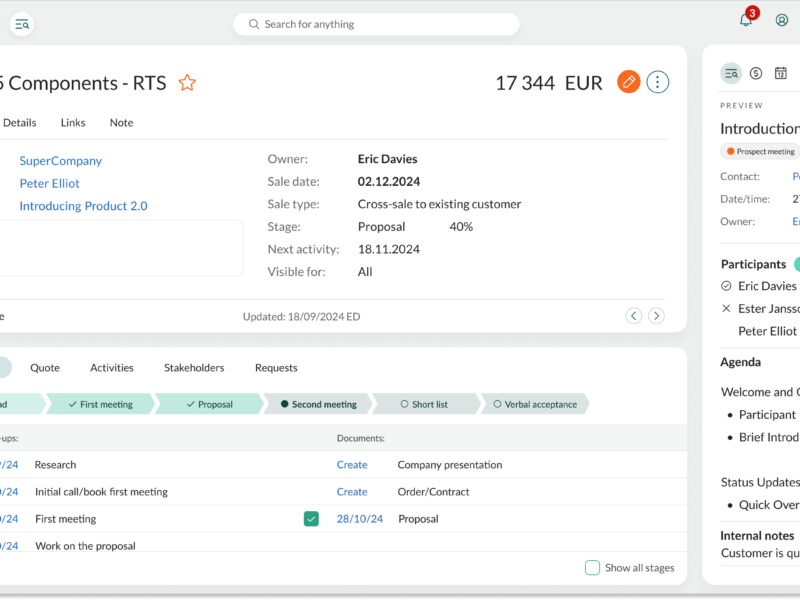
In today’s fast-paced business environment, efficiency is not just a buzzword—it’s a necessity. Streamlining your workflow can significantly enhance productivity, reduce costs, and, most importantly, help you close more deals.
By optimizing processes, leveraging technology, and adopting strategic practices, businesses can create a seamless workflow that keeps clients engaged and satisfied. This article delves into practical tips and tools that can transform your workflow, making it more efficient and effective.
Whether you’re a small startup or a large enterprise, the strategies discussed here can be tailored to fit your unique needs and drive success.
Streamline Your Workflow and Close More Deals
Efficiency and productivity are the cornerstones of success in any business. By streamlining your workflow, you can not only reduce the time spent on repetitive tasks but also enhance the quality of your work. This, in turn, allows you to close more deals and achieve your business goals more effectively.
Here are some strategies to help you optimize your workflow and boost your sales:
Identify and Eliminate Redundancies
To streamline your workflow, start by identifying any redundant tasks that are eating up your time. Use time tracking tools to monitor how you spend your day and pinpoint areas where you can cut down on unnecessary work.
For example, if you find that you are spending too much time on data entry, consider automating this process with software solutions. By eliminating these redundancies, you can free up more time to focus on high-impact activities that drive sales.
Implement Automation Tools
Automation tools can significantly enhance your workflow efficiency. Tools like CRM systems, project management software, and email marketing platforms can automate many of the repetitive tasks that bog down your team.
For instance, a CRM can automatically track customer interactions and provide insights that help you close more deals. By leveraging automation, you can ensure that your team is always working on the most important tasks and not getting sidetracked by mundane activities.
Optimize Communication Channels
Effective communication is crucial for streamlining your workflow. Ensure that your team has access to the right communication tools, such as instant messaging, video conferencing, and collaborative platforms. This can help reduce the time spent on back-and-forth emails and meetings.
By optimizing your communication channels, you can ensure that everyone is on the same page and working towards the same goals, which is essential for closing more deals.
| Strategy | Description | Benefits |
|---|---|---|
| Identify and Eliminate Redundancies | Use time tracking tools to pinpoint and remove unnecessary tasks. | More time for high-impact activities, increased productivity. |
| Implement Automation Tools | Use CRM systems, project management software, and email marketing platforms to automate tasks. | Reduced manual work, enhanced efficiency, better customer insights. |
| Optimize Communication Channels | Use instant messaging, video conferencing, and collaborative platforms to improve team communication. | Streamlined collaboration, faster decision-making, improved alignment. |
How would you streamline your work process?

To streamline my work process, I would focus on several key areas to ensure efficiency, accountability, and continuous improvement. These areas include optimizing task management, leveraging technology, and fostering effective communication.
By implementing structured methodologies and tools, I can reduce redundancy, minimize errors, and enhance productivity.
Optimizing Task Management
To optimize task management, I would adopt a agile project management framework such as Scrum or Kanban. This approach allows for clear task prioritization and real-time tracking of progress. Utilizing digital task management tools like Trello, Asana, or Monday.com can centralize all tasks and deadlines, making it easier to stay organized and accountable. Additionally, regular sprint reviews and retrospectives can help identify bottlenecks and improve processes over time.
- Implement an agile project management framework
- Utilize digital task management tools
- Conduct regular sprint reviews and retrospectives
Leveraging Technology
Leveraging technology can significantly enhance productivity and streamline workflows. Automating repetitive tasks with tools like Zapier or IFTTT can save time and reduce the risk of human error. Additionally, using cloud-based collaboration tools like Google Workspace or Microsoft 365 ensures that all team members have access to the latest information and can work in real-time. Investing in specialized software relevant to the specific tasks can also provide tailored solutions that boost efficiency.
- Automate repetitive tasks with process automation tools
- Use cloud-based collaboration tools
- Invest in specialized software for specific tasks
Fostering Effective Communication
Fostering effective communication is crucial for a streamlined work process. Implementing regular check-ins and stand-up meetings can ensure that all team members are aligned and aware of project statuses. Using communication platforms like Slack or Microsoft Teams can facilitate quick and efficient communication, reducing the need for lengthy email threads. Additionally, documenting processes and creating a knowledge base can help new team members get up to speed quickly and ensure consistency across the team.
- Implement regular check-ins and stand-up meetings
- Use communication platforms for quick and efficient communication
- Document processes and create a knowledge base
What is the streamline way of working?
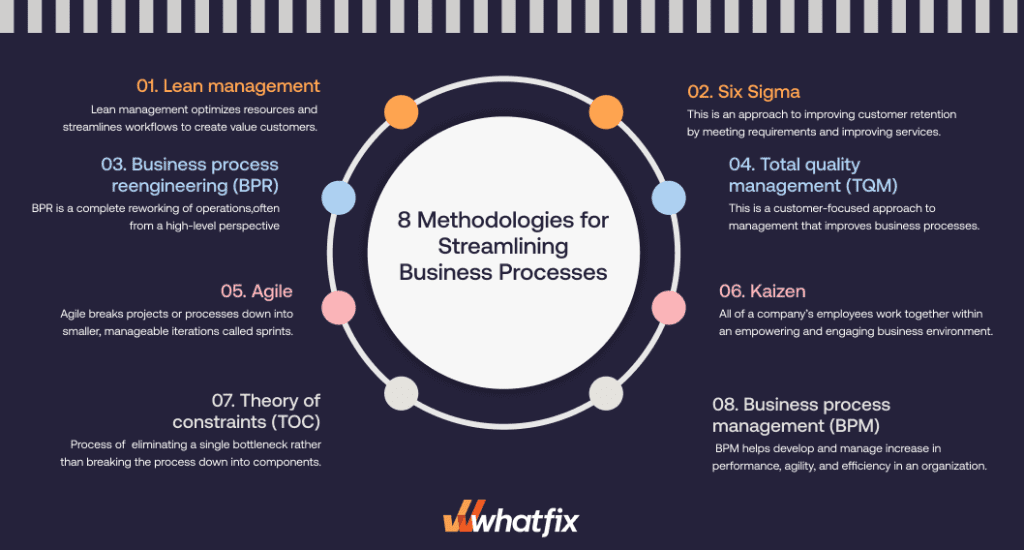
The streamline way of working refers to a method of organizing and executing tasks that aims to minimize waste, reduce inefficiencies, and optimize the overall process.
This approach is often associated with lean and agile methodologies, which focus on continuous improvement and delivering value to the end-user. By streamlining workflows, organizations can enhance productivity, improve quality, and ensure that resources are used more effectively.
This typically involves identifying and eliminating unnecessary steps, automating repetitive tasks, and fostering better communication and collaboration among team members.
Key Principles of Streamlining Work Processes
The principles of streamlining work processes are fundamental to achieving efficiency and effectiveness. These principles guide the methodologies and practices used in streamlining:
- Elimination of Waste: Streamlining involves identifying and removing any activities or processes that do not add value to the final product or service. This can include redundant tasks, unnecessary documentation, and excessive waiting times.
- Continuous Improvement: Streamlining is an ongoing process that involves regularly reviewing and refining work processes. This is often achieved through techniques like kaizen, which encourages small, incremental improvements over time.
- Standardization: Standardizing processes ensures that tasks are performed consistently and predictably. This reduces variability and helps maintain quality and efficiency across different parts of the organization.
Benefits of Streamlining Work Processes
Streamlining work processes can bring numerous benefits to an organization, contributing to its overall success and sustainability:
- Increased Productivity: By eliminating unnecessary steps and automating routine tasks, teams can focus more on high-value activities that drive business results.
- Enhanced Quality: Streamlined processes reduce the likelihood of errors and inconsistencies, leading to higher-quality outputs and better customer satisfaction.
- Cost Reduction: Streamlining helps reduce waste and inefficiencies, leading to cost savings in the long run. This can include lower material costs, reduced labor expenses, and improved resource utilization.
Steps to Implement Streamlining in Your Organization
Implementing streamlining requires a structured approach to ensure that the benefits are realized effectively. Here are some key steps to follow:
- Identify Key Processes: Start by identifying the processes that are most critical to your business. These are the areas where streamlining can have the greatest impact.
- Analyze and Map Processes: Use process mapping techniques to visualize and understand the current state of your processes. This helps in identifying bottlenecks and areas for improvement.
- Engage Stakeholders: Involve team members and other stakeholders in the streamlining process. Their input and buy-in are crucial for successful implementation and sustained improvement.
What are the 5 steps of workflow?

The workflow process is a structured sequence of steps designed to achieve a specific goal efficiently. Here are the five essential steps in a workflow:
1. Define the Process: The first step is to clearly define the process you want to implement. This involves identifying the objective of the workflow, the tasks required, and the resources needed. It is crucial to understand the overall goal and the key activities that must be completed.
2. Identify Roles and Responsibilities: Once the process is defined, the next step is to identify who will be responsible for each task. This includes assigning roles to team members and ensuring that everyone understands their responsibilities. Clear communication is vital to avoid confusion and ensure smooth execution.
3. Create a Workflow Diagram: A visual representation of the workflow, such as a flowchart, can help in understanding the sequence of tasks and their dependencies. This diagram should include all the steps, decision points, and handoffs between team members. It serves as a reference and a tool for continuous improvement.
4. Implement the Workflow: After the workflow is defined and visualized, it is time to put it into action. This involves setting up the necessary systems, tools, and procedures. Training team members on the workflow and ensuring they have the required resources are critical for successful implementation.
5. Monitor and Optimize: The final step is to monitor the workflow to ensure it is functioning as intended. This involves tracking key performance indicators (KPIs) and gathering feedback from team members. Based on the data collected, adjustments can be made to optimize the process and improve efficiency.
Defining the Process: A Crucial First Step
Defining the process is the foundation of any successful workflow. This step involves several key activities:
- Identifying the goal of the workflow and what outcome you want to achieve.
- Breaking down the process into individual tasks and understanding the sequence in which they need to be completed.
- Determining the resources needed, such as tools, technology, and personnel.
Identifying Roles and Responsibilities: Ensuring Clear Assignments
Assigning roles and responsibilities is essential for the smooth operation of a workflow. This step includes:
- Listing all the tasks and activities that need to be performed.
- Identifying the team members who will be responsible for each task.
- Communicating the roles and responsibilities clearly to ensure everyone understands their part in the process.
Creating a Workflow Diagram: Visualizing the Process
A workflow diagram is a powerful tool for understanding and managing a workflow. To create an effective diagram, consider the following steps:
- Start by listing all the tasks and activities in the process.
- Use symbols and arrows to represent the flow of tasks and decision points.
- Incorporate handoffs between team members and any dependencies that exist between tasks.
Frequently Asked Questions
What is the primary goal of streamlining your workflow?
The primary goal of streamlining your workflow is to enhance efficiency and productivity by eliminating unnecessary steps, reducing冗余, and optimizing tasks. This allows you to focus on high-impact activities that directly contribute to closing more deals and achieving your business objectives.
How can streamlining your workflow help you close more deals?
Streamlining your workflow helps you close more deals by ensuring that your processes are efficient and focused. It reduces the time spent on administrative tasks, allowing you to spend more time engaging with clients, providing better service, and addressing their needs promptly. This improves client satisfaction and increases the likelihood of closing deals.
What are some tools that can help streamline your workflow?
Some tools that can help streamline your workflow include project management software like Asana or Trello, CRM systems like Salesforce or HubSpot, automation tools like Zapier or Integromat, and communication platforms like Slack or Microsoft Teams. These tools can automate repetitive tasks, centralize information, and improve team collaboration.
How can you measure the effectiveness of streamlining your workflow?
You can measure the effectiveness of streamlining your workflow by tracking key performance indicators (KPIs) such as the time taken to complete tasks, the number of deals closed, customer satisfaction scores, and the efficiency of team collaboration. Regularly reviewing these metrics can help you identify areas for further improvement and ensure that your streamlined processes are achieving the desired results.