In today’s competitive business landscape, understanding customer behavior is more crucial than ever. By effectively tracking customer interactions, companies can gain valuable insights that drive strategic decisions, enhance customer experiences, and boost overall performance.
These interactions, whether through digital platforms, customer service channels, or in-person encounters, provide a wealth of data that, when analyzed properly, can reveal patterns, preferences, and pain points.
This article explores the importance of tracking customer interactions, the tools and methods available, and how leveraging these insights can lead to significant business advantages.
Track Customer Interactions for Better Insights
Tracking customer interactions is a powerful strategy for businesses to gain deeper insights into customer behavior, preferences, and pain points. By monitoring and analyzing these interactions, companies can improve their customer service, tailor their marketing efforts, and enhance overall customer satisfaction.
Effective customer interaction tracking involves collecting data from various touchpoints, such as social media, email, customer service calls, and website interactions. This data can then be analyzed to identify trends, patterns, and opportunities for improvement, ultimately leading to more informed business decisions and a more personalized customer experience.
Understanding the Importance of Customer Interaction Data
Customer interaction data provides valuable insights that can drive business growth. By understanding what customers are saying and doing, businesses can better meet their needs and preferences.
For example, analyzing customer service interactions can reveal common issues that customers face, allowing companies to address these issues proactively. Similarly, tracking social media interactions can help businesses gauge customer sentiment and adjust their marketing strategies accordingly.
This data-driven approach not only enhances customer satisfaction but also helps in retaining customers and attracting new ones.
Tools and Techniques for Tracking Customer Interactions
There are several tools and techniques that businesses can use to track customer interactions effectively. Customer Relationship Management (CRM) systems are essential for managing and analyzing customer data. These systems can integrate data from various sources, including email, social media, and customer service calls, providing a unified view of customer interactions.
Additionally, web analytics tools such as Google Analytics can track website interactions, helping businesses understand how customers navigate their sites and where they encounter issues. Social media monitoring tools can also be used to track mentions and conversations about the brand, providing real-time insights into customer sentiment.
Implementing a Customer Interaction Tracking Strategy
Implementing a customer interaction tracking strategy involves several steps. First, businesses need to identify the key touchpoints where customer interactions occur, such as social media platforms, customer service channels, and the company website.
Next, they should select the appropriate tools and technologies to collect and analyze data from these touchpoints. It is also important to establish clear goals and key performance indicators (KPIs) to measure the effectiveness of the strategy.
Finally, businesses should regularly review and refine their tracking processes to ensure they are capturing relevant and actionable data. Continuous improvement is key to maximizing the benefits of customer interaction tracking.
| Touchpoint | Tool/Technology | Key Metrics |
|---|---|---|
| Social Media | Hootsuite, Brandwatch | Mentions, Sentiment Analysis, Engagement Rate |
| Customer Service | Zendesk, Freshdesk | Response Time, Customer Satisfaction Score (CSAT), First Contact Resolution (FCR) |
| Mailchimp, Constant Contact | Open Rate, Click-Through Rate (CTR), Conversion Rate | |
| Website | Google Analytics, Hotjar | Page Views, Bounce Rate, Session Duration |
How do you track customer interaction?
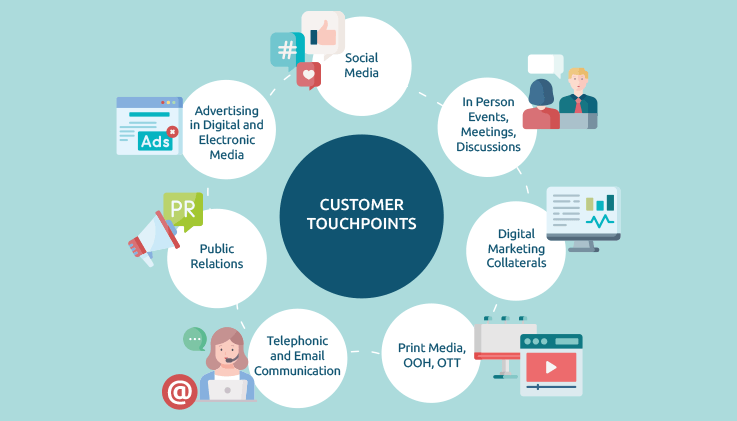
Tracking customer interactions is essential for understanding customer behavior, improving customer service, and enhancing overall business performance. There are several methods and tools available to track these interactions effectively:
Using Customer Relationship Management (CRM) Software
CRM software is a powerful tool for tracking customer interactions. It allows businesses to centralize customer data, including contact information, purchase history, communication records, and more. By using a CRM, you can:
- Record and track every interaction, whether it’s an email, phone call, or social media engagement.
- Segment customers based on their behavior and preferences to tailor marketing efforts.
- Analyze customer data to identify trends and patterns, helping you make data-driven decisions.
Monitoring Social Media Platforms
Social media platforms provide valuable insights into customer interactions. Monitoring social media can help you understand how customers perceive your brand and respond to your content. To effectively track social media interactions:
- Set up social listening tools to monitor mentions of your brand, products, or industry keywords.
- Engage with customers by responding to comments, messages, and reviews to build a positive relationship.
- Use analytics tools to track engagement metrics such as likes, shares, and comments to understand what content resonates with your audience.
Analyzing Website Analytics
Website analytics tools like Google Analytics provide detailed information about how visitors interact with your website. By analyzing this data, you can gain insights into customer behavior and optimize your website for better engagement. Key steps include:
- Track page views, bounce rates, and session durations to understand how visitors navigate your site.
- Monitor conversion rates to see how effectively your site is converting visitors into customers.
- Use heatmaps and user session recordings to identify areas of your site that need improvement, such as navigation issues or form abandonment.
How to measure customer interactions?
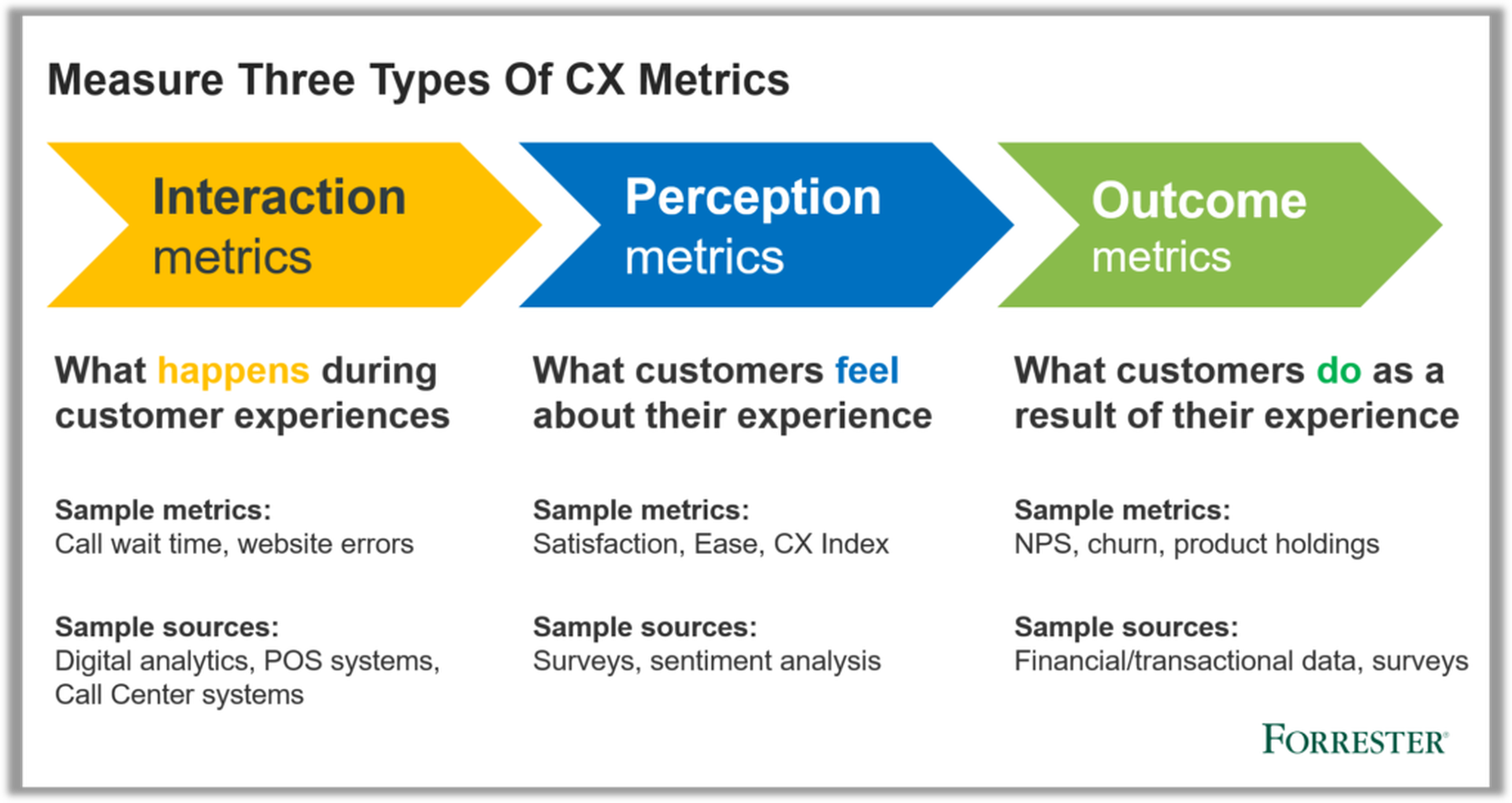
To measure customer interactions effectively, businesses must employ a comprehensive approach that includes various metrics, tools, and methods. Customer interactions encompass a wide range of touchpoints, from initial inquiries and sales to post-purchase support and feedback.
By tracking and analyzing these interactions, companies can gain valuable insights into customer behavior, satisfaction, and loyalty. Here are some key methods and tools for measuring customer interactions:
1. Customer Relationship Management (CRM) Systems: CRM systems are essential for tracking and managing customer interactions. They store data on customer demographics, purchase history, communication logs, and service requests. This allows businesses to have a 360-degree view of each customer and understand their interactions over time.
2. Surveys and Feedback Forms: Collecting feedback directly from customers is a powerful way to gauge satisfaction and identify areas for improvement. Surveys can be conducted through email, social media, or in-store. They can include rating scales, open-ended questions, and Net Promoter Score (NPS) questions.
3. Social Media Monitoring: Social media platforms are a treasure trove of customer interactions. By monitoring mentions, comments, and direct messages, businesses can understand how customers feel about their brand, products, and services. Tools like Hootsuite, Brand24, and Mention can help automate this process.
4. Web Analytics: Analyzing website traffic and user behavior can provide insights into how customers interact with your online presence. Metrics like page views, bounce rate, time on site, and conversion rates help track the effectiveness of your web content and user experience.
5. Call Center Metrics: For businesses with call centers, metrics such as average handling time, first call resolution rate, and customer satisfaction scores (CSAT) are crucial. These metrics can help identify efficiency and quality issues in customer service interactions.
6. Digital Footprint Analysis: Analyzing a customer’s digital footprint, including search history, online reviews, and engagement with digital ads, can provide a deeper understanding of their interests and preferences.
1. Utilizing CRM Systems for Comprehensive Data
CRM systems are central to measuring customer interactions as they integrate data from multiple touchpoints. By centralizing customer information, businesses can:
- Track all communication channels, including email, phone, and social media, to create a comprehensive interaction history.
- Analyze customer behavior patterns to identify trends and predict future actions.
- Personalize communications and offers based on individual customer profiles and interaction history.
2. Conducting Effective Surveys and Feedback Forms
Surveys and feedback forms are essential for gathering direct input from customers. To ensure they are effective:
- Keep surveys concise and focused to increase response rates and maintain customer engagement.
- Use a mix of quantitative (e.g., rating scales) and qualitative (e.g., open-ended questions) questions to gain deeper insights.
- Act on the feedback received by implementing changes and communicating these improvements back to customers.
3. Monitoring Social Media for Real-Time Insights
Social media monitoring provides real-time insights into customer sentiment and behavior. To make the most of this data:
- Set up alerts for brand mentions and relevant keywords to stay informed about customer interactions.
- Engage with customers by responding to comments and messages promptly and professionally.
- Use sentiment analysis tools to quantify positive, negative, and neutral mentions, helping to gauge overall brand perception.
How to maintain records of customer interactions?
To effectively maintain records of customer interactions, it’s essential to have a systematic and organized approach. This involves using various tools and methods to ensure that all interactions are accurately documented, easily accessible, and securely stored. Here are some steps to follow:
1. Choose the Right Tools: Select customer relationship management (CRM) software that fits your business needs. Popular options include Salesforce, HubSpot, and Zoho. These tools allow you to log and track interactions across multiple channels such as email, phone, and social media.
2. Standardize Documentation: Create templates for recording interactions to ensure consistency. Include fields for customer name, contact information, date and time of interaction, summary of the interaction, and any actions taken or follow-up required.
3. Train Your Team: Provide comprehensive training to your customer service and sales teams on how to use the chosen tools and document interactions effectively. Consistent training ensures that everyone follows the same protocols.
4. Regularly Review and Update: Periodically review the records to ensure they are up-to-date and accurate. This helps in identifying trends, addressing recurring issues, and improving customer service.
5. Maintain Data Security: Ensure that customer data is stored securely to protect sensitive information. Implement data encryption, access controls, and regular backups to prevent data loss or unauthorized access.
6. Integrate with Other Systems: Integrate your CRM with other business systems such as your website, marketing automation tools, and accounting software. This integration streamlines processes and provides a more comprehensive view of customer interactions.
7. Analyze and Utilize Data: Use the data collected to gain insights into customer behavior, preferences, and satisfaction levels. This information can be used to improve products, services, and overall customer experience.
Selecting the Right CRM Software
Choosing the right CRM software is crucial for maintaining records of customer interactions effectively. Consider the following factors:
- Scalability: Ensure the software can grow with your business and handle an increasing number of customer interactions.
- Features: Look for features that align with your business needs, such as contact management, sales tracking, and customer support.
- User-Friendliness: Choose a platform that is easy for your team to use, with a intuitive interface and minimal learning curve.
Best Practices for Documentation
Standardizing the documentation process is key to maintaining accurate and consistent records. Here are some best practices:
- Comprehensive Templates: Use detailed templates that capture all necessary information during each interaction.
- Regular Audits: Conduct regular audits to ensure compliance with documentation standards and to identify areas for improvement.
- Version Control: Implement version control to keep track of changes and updates to customer records over time.